You’re Not the ‘Token Queer Friend’: Breaking Free from the Accessory Role
Do you sometimes feel reduced to your queer identity in your friendships? Find out how to reclaim your true place and thrive as your full self.
Introduction: When Your Identity Becomes an Accessory for Others
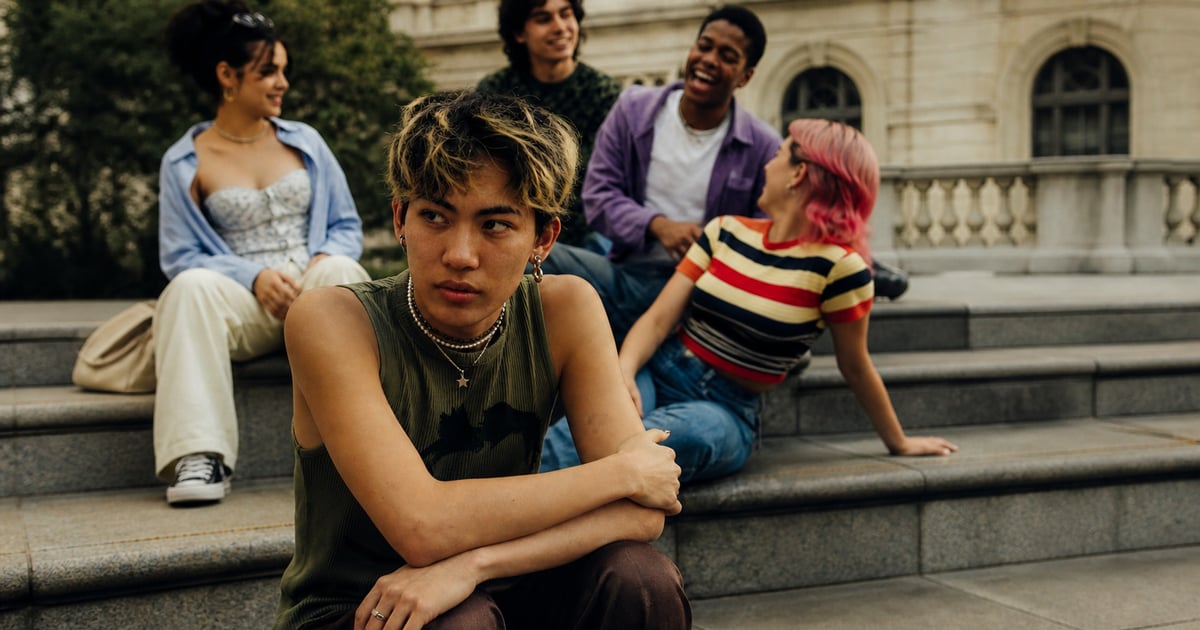
Have you ever felt like you’re the ‘queer friend’ in your group? This role, often invisible but heavy, means being put forward as living proof that the group is open and progressive. Behind this, you might wonder: “Do my friends really see me for who I am, or just for what I represent?” This article is inspired by a reflection from Scarleteen - Queer Sex Ed For All Since 1998. It invites you to explore this discomfort, understand where it comes from, and discover how to break free. We’re not here to pathologize or diagnose, but to recognize your feelings and help you move toward more authenti
Understanding the ‘Token Queer’ Phenomenon: Context and Origins
The term ‘token’ refers to someone chosen to represent a minority group, often to make a majority group feel better about itself. In friendships, this sometimes means being the ‘queer friend’—the one who’s highlighted, sometimes unconsciously, to prove how open-minded or modern the group is. This isn’t just about sexuality: it can happen around race, gender, disability… But when it comes to LGBTQIA+ identity, the feeling of being an accessory can be especially strong, especially if you’re the only queer person in the group. This can put you in an uncomfortable spot: you’re there, but people e
Signs You’re Being Reduced to a Label in Your Friendships
How can you tell if you’re seen as the ‘token queer friend’? Here are a few signs: - You’re often asked to speak ‘for’ the whole LGBTQIA+ community. - Your friends always introduce you as ‘my gay/bi/pan/trans friend’. - You feel like your presence reassures others about their own open-mindedness. - People ask you to validate opinions or jokes, or to give the ‘cool stamp’. - Your other sides (passions, moods, tastes) get pushed aside. If you recognize yourself in these situations, know that it doesn’t have to be this way. The most important thing is to allow yourself to feel this discomfort, w
Why Do Your Friends Do This? (Sometimes Without Realizing)
Most of the time, it’s not out of malice. Many people mean well and want to show they’re inclusive or open. But without realizing it, they can reduce you to just one part of your identity. This often comes from: - Fear of doing the wrong thing or not being ‘open’ enough - The need for social recognition (‘Look, I have queer friends!’) - Not understanding how this feels for you - Sometimes, a lack of honest conversation about queer experiences That doesn’t mean you have to accept everything. But understanding these patterns can help you set boundaries, keeping in mind that a lot of these attit
How to Break Out of the Accessory Role Without Blowing Everything Up
Speaking up about how you feel takes courage, but it’s often the first step to bringing authenticity back into your relationships. Here are some ideas: - **Share your feelings**: “Sometimes I feel like I’m reduced to my queer identity, and it makes me uncomfortable.” - **Give concrete examples**: “When you introduce me as ‘my gay friend’, I’d like you to talk about me differently.” - **Remind them what you want from friendship**: trust, listening, sharing—not being put on display. - **Set your boundaries**: You have the right to refuse to answer certain questions or be the group’s ‘go-to’ quee
Reclaiming Your Authentic Place: Tips and Support
Breaking free from the ‘token’ role also means reclaiming your place in the group for who you really are. Some practical tips: - **Show off your other sides**: Talk about your passions, your dreams, what excites you beyond your identity. - **Find spaces where you feel seen**: Sometimes you need to step back from certain circles to find more genuine connections. - **Accept that you won’t please everyone**: You don’t have to meet everyone’s expectations. - **Celebrate your uniqueness**: Being queer isn’t a box—it’s just one of many things that make you awesome. If some people don’t see the real
What Science Says: Visible Minorities and Mental Health
Social psychology research shows that being ‘tokenized’—reduced to a minority identity—can lead to isolation, anxiety, or low self-esteem. Studies on visible minorities (especially LGBTQIA+ folks) highlight that being made invisible or used as a symbol can weigh on your mental wellbeing. But these impacts vary depending on context and personal resources. Genuine social support, being able to express yourself freely, and access to safe spaces all help mental health. It’s not about being dramatic, but about recognizing that it’s valid to feel bothered by this role—and that it deserves to be hea
How Lunaia Can Help You Reclaim Your Place
At Lunaia, you’ll find practical tools to help you handle these situations: - **Emotional check-ins**: Put words to your feelings each day, so you can better understand and express your discomfort. - **Breathing exercises and guided meditations**: Take a moment for yourself to ease tension and find your center. - **Resources on self-assertion**: Discover ways to set boundaries and boost your confidence, at your own pace. The Lunaia app, designed for adult mental wellbeing, supports you without judging or reducing you to a label. To learn more or download the app, visit https://lunaia.me. Tak
You’re Not the ‘Token Queer Friend’: Breaking Free from the Accessory Role · Blog Lunaia