Why Your Brain Loves Images of Natural Chaos (and What It Reveals About Your Stress)
Why are we so fascinated by storms and natural disasters on screen? Dive into the brain mechanisms that turn outside chaos into inner emotions.
Introduction: When Weather Makes Headlines… and Captivates Your Brain
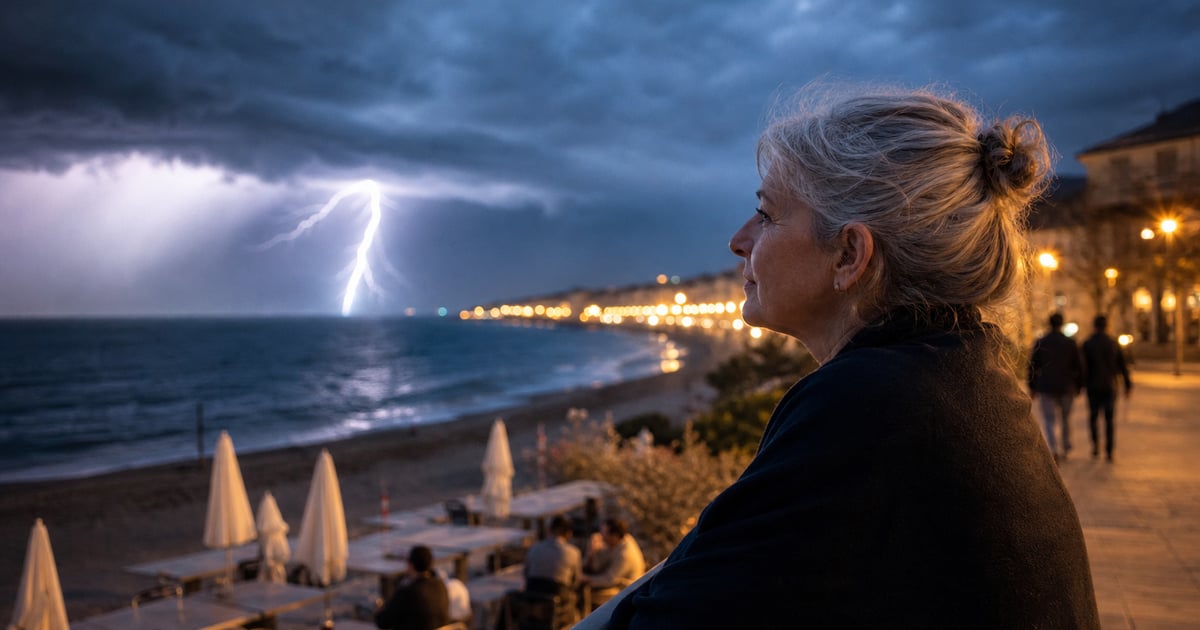
Overturned cars, flooded streets, images of chaos looping endlessly on our screens. The storms that recently hit Ohio, according to BBC News, didn’t just disrupt daily life for locals: they also grabbed the attention of millions around the world. Why are we irresistibly drawn to these extreme scenes? It’s not just morbid curiosity—it’s a real brain reflex. Let’s explore this fascinating phenomenon to better understand what these images trigger in you… and what it says about your stress management.
Fascination with Natural Chaos: A Universal Reflex
Whether it’s storms, floods, or volcanic eruptions, you’re not alone in stopping to watch these images. This fascination with natural chaos affects everyone, no matter their age or background. - News channels know it: a spectacular image gets more clicks and holds attention longer. - Social media amplifies the spread, sometimes creating a snowball effect. Watching nature unleash itself brings a mix of worry and awe. This ambivalence is deeply rooted in our brains, far beyond simple curiosity.
An Inheritance from the Survival Instinct
If your attention automatically goes to disasters, it’s because your brain is wired to spot danger. This mechanism comes from our ancestors, for whom detecting a storm or natural threat could mean the difference between life and death. **Why does this reflex still exist today?** - It keeps you alert to potential danger, even from afar. - It triggers hormones like adrenaline, preparing your body to react. - It helps you anticipate and prevent risks, even if you’re not directly affected. Today, most of us watch these events from the comfort of our living rooms, but the brain still reacts as if
Adrenaline and Relief: The Emotional Paradox
Watching a storm on a screen means feeling a surge of stress… without any real danger. This experience is paradoxical: - You feel the adrenaline from sensing danger. - You experience the relief of not being directly exposed. - This back-and-forth between tension and reassurance can even give you a sense of well-being or control. This explains why some people seek out this kind of content, just like watching a thriller: to stimulate emotions while staying safe. But in the long run, be careful about building up passive stress!
Why You Click (and Click Again): The Power of Shocking Images
Media and social networks use the power of spectacular images to grab your attention. It’s impossible to look away from a car swept away by water or a city plunged into darkness by a storm. **It’s not just voyeurism:** - It’s a natural curiosity, inherited from the need to understand your environment. - Watching chaos is also about looking for clues to better anticipate danger. - It can even boost solidarity: you feel concerned about what others are going through. But repeated exposure can end up making you numb—or, on the contrary, increase your anxiety.
Too Much Info, Too Many Emotions: The Risks for Your Mental Health
After seeing endless images of disasters, your brain can get exhausted. Stress—even virtual—builds up and can lead to anxiety or a sense of helplessness. **Some warning signs:** - Trouble disconnecting from news or social media - Irritability, fatigue, trouble sleeping - Feeling uneasy or vaguely anxious Being aware of this mechanism is already a step toward managing your mental well-being. Knowing how to stay informed also means learning to set limits to protect your emotional balance.
What Science Says About Stress from Distant Disasters
Several psychology studies show that repeated exposure to images of natural disasters—even from afar—can impact mental health. For example, research has found increased anxiety and post-traumatic stress in people highly exposed to media during major events. However, science also reminds us that it all depends on your starting emotional state, your ability to take a step back, and how you consume information. The key? Recognize your own limits and mix up your sources, so you don’t spiral into anxiety. (Source: BBC News, media and stress psychology studies)
How Lunaia Can Help You Manage News-Related Stress
Need a breather after seeing too many anxiety-inducing news images? Lunaia is here to help you protect your mental balance every day. - Use the **emotional check-in** to notice your mood when faced with information overload. - Try **guided breathing exercises** to calm adrenaline and find peace. - Start a **short meditation** to refocus and detach from outside stress. To learn more and try it for free, visit https://lunaia.me. Take care of yourself—your balance starts with a pause.
Why Your Brain Loves Images of Natural Chaos (and What It Reveals About Your Stress) · Blog Lunaia