Why Your Brain Is Fascinated by Eclipses: Science and Surprising Feelings
An eclipse shakes up your senses and mind way more than you think. Discover why this rare event leaves a unique mark on your memory.
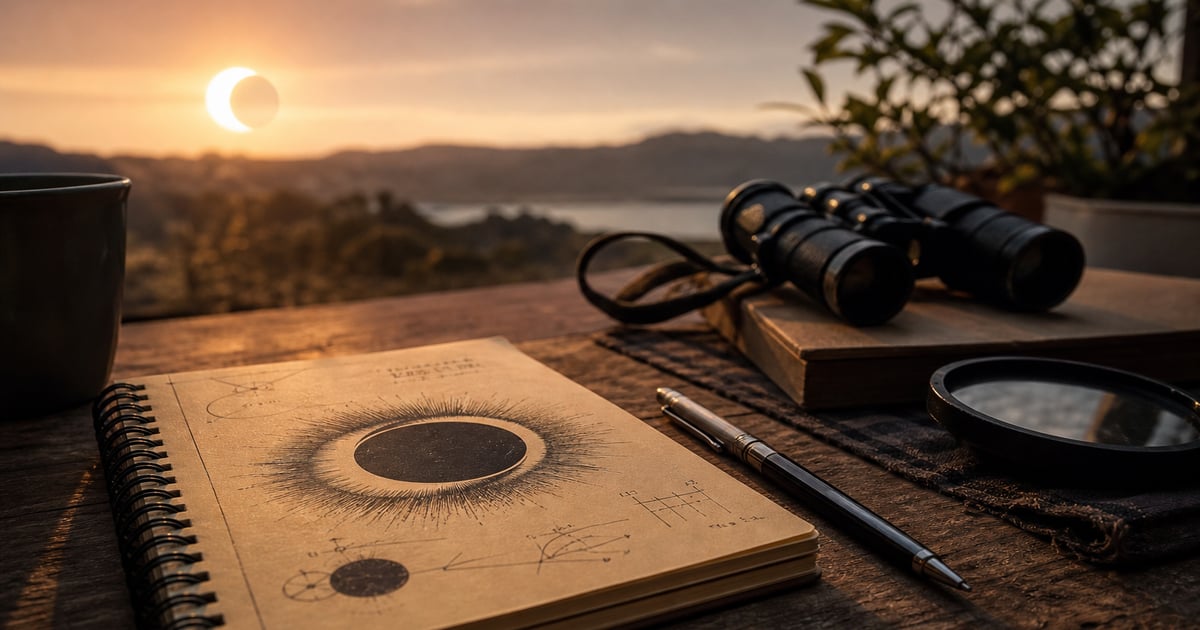
Introduction: When the Light Fades, What Does Your Brain Really Feel?
Imagine: in the middle of the day, the light suddenly dims, the air cools, an unusual silence settles in... Your brain kicks into gear, your body senses something out of the ordinary. Solar eclipses aren’t just a celestial show; they trigger deep reactions in you, mixing surprise, fascination, and sometimes a hint of unease. But why does this rare event have such an impact on your mind? Dive in with Lunaia to uncover the secrets of your brain when the light suddenly disappears.
A Fascination Through the Ages
Since ancient times, eclipses have intrigued and fascinated people. In many cultures, they were seen as mysterious or supernatural signs: omens, warnings, sacred moments. The experience of day turning into night in just a few minutes is so rare that it sticks in people’s minds, generation after generation. Even today, now that science has explained the phenomenon, it’s hard to look away from an eclipse. This fascination is universal, crossing ages and borders.
Why Does Your Brain React So Strongly?
Your brain is wired to love routine, order, and predictability. When an eclipse happens, everything flips: the light drops without warning, colors shift, the mood changes. You feel: - A spike in alertness: your brain "lights up" to figure out what’s going on. - Curiosity mixed with amazement, because this sudden contrast is so unusual. - Sometimes a bit of anxiety or a shiver, as your brain looks for clues in the unexpected. This cocktail of emotions creates powerful memories, often etched for life.
The Sensory Experience of an Eclipse: More Than Just a Sight
You might think you’re just watching a visual show, but an eclipse is so much more: - The light dims, taking on unreal shades. - The temperature can drop several degrees in just minutes. - Birds stop singing, some animals act strangely. - The soundscape becomes muffled, almost suspended. Your body and senses pick up on all these changes, which amplifies your feelings and makes the experience unforgettable.
Between Wonder and Unease: Why Reactions Differ
Everyone reacts differently to an eclipse. Some feel intense joy, a sense of witnessing a unique moment. Others feel discomfort or a bit uneasy, as if the world’s order has been shaken. One thing’s for sure: your brain is trying to understand and adapt. There’s no right or wrong reaction, just a personal experience shaped by your sensitivity, your story, and how you handle the unexpected.
What Science Says About Eclipses’ Effect on the Brain
Scientific studies on eclipses show that unusual light events activate specific areas of the brain linked to attention, memory, and emotion. Researchers have found: - The alert system (amygdala, prefrontal cortex) is more active during rare, sudden events. - A “wow” effect (feeling of awe or strangeness) can boost memory of the event. - Environmental changes (light, temperature, atmosphere) heighten the emotional impact. However, there aren’t many detailed studies on the long-term effects of eclipses on mental health. What’s certain: experiencing something this rare sparks your curiosity and c
How Lunaia Can Support You During Intense Sensory Events
Experiencing an eclipse—or any big sensory shift—can be unsettling... or deeply calming, depending on your mindset. With Lunaia, you can: - Take a few minutes for an emotional check-in and notice what you’re really feeling. - Use guided breathing exercises to help you relax after the eclipse. - Try a grounding meditation to savor the moment or ease any discomfort. Discover all the wellness resources for adults at https://lunaia.me and learn to listen to what nature and your brain have to offer during these rare moments.
Why Your Brain Is Fascinated by Eclipses: Science and Surprising Feelings · Blog Lunaia