Why Green Jobs Struggle to Attract People Despite the Climate Emergency
Green jobs are still not very attractive in France. Find out why saving the planet isn’t always a dream job.
Introduction: Saving the Planet—Dream Job or Headache?
We often hear that jobs linked to the green transition are the future and give meaning to your work life. On paper, helping the planet sounds rewarding, almost heroic. But in reality, things are different in France. According to an article from The Conversation, these jobs struggle to attract people, even with the climate emergency. Why this paradox? Today, let’s dive behind the scenes of green jobs to see what’s holding things back—and why it’s urgent to change how we see these essential roles for our collective future.
1. Green Transition: What Are We Really Talking About?
The green transition means all the changes needed to limit our impact on the environment: cutting CO2 emissions, circular economy, renewable energy, waste management, energy-efficient renovations, greener transport, and more. These changes create new jobs and also transform existing ones. Behind the word “green,” there’s a huge variety of roles: sorting agents, maintenance technicians, energy-saving experts, repairers, environmental educators… So why aren’t these jobs as popular as you’d expect?
2. Low Pay and Tough Conditions: The Reality Behind the Commitment
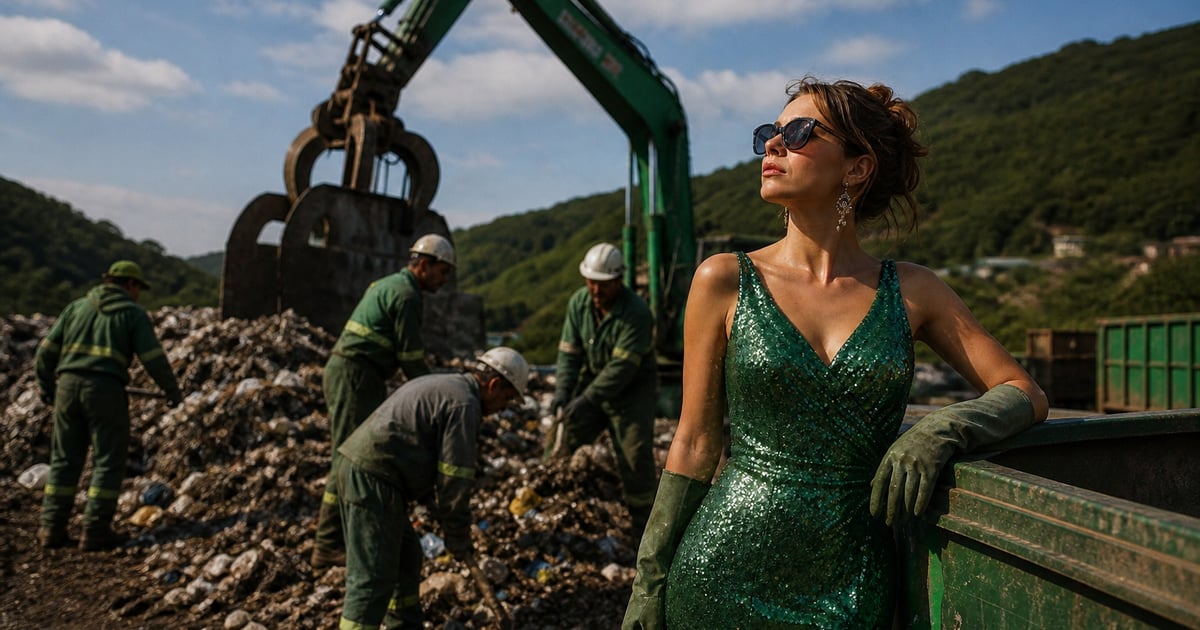
If you think a green job always means comfort and recognition, think again. Many of these roles offer **lower-than-average salaries**, especially in the nonprofit sector, social and solidarity economy, or so-called “field” jobs (collection, sorting, renovation, repair). Add to that **physically demanding and tough working conditions**: odd hours, working outdoors in all weather, repetitive tasks, or little social recognition. This combo puts off many candidates—even those who care about the environment. Wanting to make a positive impact isn’t always enough to make up for the lack of prospects
3. Lack of Planning and Support: A Barrier to Career Change
The transformation of the job market due to the climate crisis has been **poorly anticipated** by many players, whether the government or companies. As a result, support systems for those wanting to switch careers are still too rare or not adapted. Training can be long, underfunded, or not well recognized in the job market. Young people hesitate to go into fields seen as unstable or undervalued. And people looking to retrain often lack guidance, reliable info, and personalized support to take the leap.
4. Essential Jobs… But Invisible
There’s a lot of talk about “green growth” in the media, but **many green transition jobs stay in the shadows**. Sorting, repair, maintenance, or renovation roles are absolutely essential for society to function and to reduce our environmental impact. Yet they lack visibility, prestige, and social recognition. This invisibility means fewer people want to do them and makes hiring tough. Green jobs aren’t yet seen as rewarding career paths, even though they’re vital for a successful transition.
5. Breaking Stereotypes and Valuing Green Jobs
To make these jobs more attractive, we need to **break the stereotypes**: no, working in the green transition isn’t always about being an engineer or scientist in a high-tech lab. It’s also about hands-on jobs, working with people, repairing, and supporting others. We also need to **improve working conditions**: better pay, recognition of skills, better social protection, and access to ongoing training. Finally, it’s crucial to **change the image** of these jobs for the public, young people, and those looking to retrain. The planet needs people—but also respect, support, and real opportunities
6. What Science Says: Meaning, Commitment, and Well-Being
Studies in work psychology show that a meaningful job can be a powerful source of satisfaction and mental well-being. But research also stresses the importance of **balancing commitment with real working conditions**: meaning isn’t everything. A tough work environment, lack of recognition, or limited prospects can cause stress, demotivation, or even burnout. According to The Conversation, this imbalance partly explains why green jobs aren’t attractive. For ecological commitment to last, it needs to come with decent, motivating conditions.
7. How Lunaia Can Help You Live Your Commitment Better
Do you care about the green transition but hesitate to take the plunge? Or maybe you already work in a changing sector and feel stressed or unmotivated? Lunaia is here to support you. With the app (https://lunaia.me), you can: - Regularly check in on how you’re feeling with the emotional check-in - Try breathing exercises to calm your stress - Practice guided meditation to build resilience - Explore content on managing change and acceptance Taking care of your mental health is part of the transition too. Lunaia is a well-being space to move forward at your own pace, whatever your career choi
Why Green Jobs Struggle to Attract People Despite the Climate Emergency · Blog Lunaia