Why Did Pioneers Choose Oxen Over Horses to Conquer the American West?
Forget the heroic horse myth: it was oxen that actually helped pioneers cross the American West. Find out how this strategic choice still inspires us today.
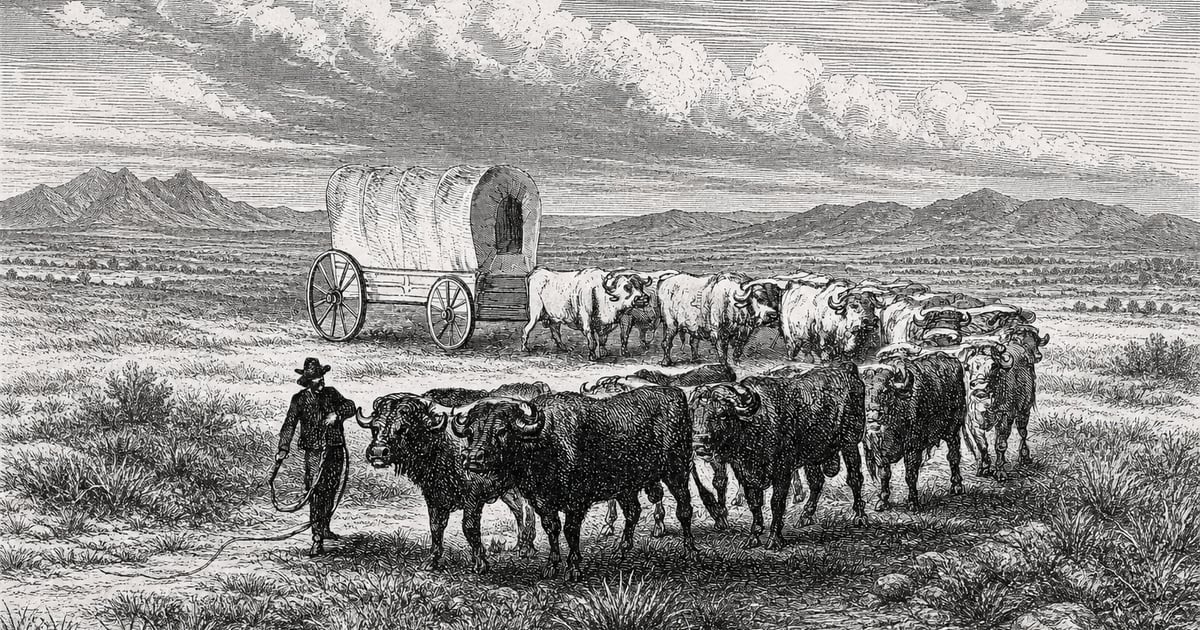
Introduction: The Legend of the Horse… and the Reality of the Ox
When you think of the American West, you probably picture fearless cowboys galloping on horseback through wild landscapes. But the real story is quite different: most pioneer families heading into the unknown on the Oregon Trail made a much less flashy—but way smarter—choice. They picked the ox, a sturdy and low-key animal, over the horse, which was all about prestige and speed. This decision, far from trivial, shaped the fate of thousands and offers an inspiring lesson that goes way beyond American history.
Context: Crossing the West, a High-Risk Adventure
In the 19th century, tens of thousands of families left everything behind to try their luck out West, following trails like the Oregon Trail. Over 2,000 miles to cover, extreme conditions, limited resources… Every detail mattered for survival. So, choosing a draft animal wasn’t just about preference or stereotypes—it was a life-or-death decision. Horses, often linked to freedom and speed, seemed like the obvious pick. But most wagons were pulled by oxen, a much more practical choice when survival depended on endurance, resilience, and being ready for the unexpected.
Why Oxen? Toughness, Endurance, and Simplicity
Pioneers didn’t pick oxen because they had no other option—they chose them because these animals were perfect for the journey: - **Toughness:** Oxen could haul heavy loads and were less likely to get injured or sick on the trail. - **Endurance:** They could walk slowly for long distances and were less prone to exhaustion than horses. - **Low maintenance:** Oxen weren’t picky. They could graze on prairie grass, needed less water, and rarely got sick. It wasn’t about prestige—it was about efficiency and safety. For families betting everything on this journey, every advantage counted.
An Economic and Strategic Choice
Horses were expensive to buy and keep (food, care, horseshoes). Oxen were cheaper, easy to feed, and didn’t need fancy gear. For families with tight budgets, every dollar saved could mean the difference between failure and success. Oxen also helped avoid unexpected costs, like replacing a sick or injured animal. As highlighted in the Mentalfloss Feed article, being able to do more with less is a seriously underrated strength.
The Ox: Life Insurance and Last-Resort Resource
Oxen weren’t just travel companions—they were an extra layer of security. If things got really tough (food shortages, forced stops), they could be used for meat to survive. As harsh as it sounds, this shows just how much the Westward journey was about pure survival. Horses, seen as noble, didn’t offer this option. The ox, quiet but essential, gave families a last ace up their sleeve in emergencies. This strategic choice, far from the spotlight, saved more than a few families in trouble.
What This Story Teaches Us About Quiet Strength
The West wasn’t conquered by the fastest or flashiest, but by those who showed patience, endurance, and resilience. Behind every quiet success, there’s often a smart decision that goes against the clichés. In our own lives, it’s tempting to chase after the flashy stuff or quick fixes. But often, it’s consistency and the ability to move forward slowly but surely that gets us furthest. Like the pioneers, you can bet on your own quiet strength—and never underestimate the power of simple, thoughtful choices.
What Science Says: Patience, Resilience, and Mental Well-Being
Science hasn’t studied 19th-century oxen, but it does look closely at how patience, resilience, and thoughtful choices affect our mental well-being. Several studies show that focusing on the long term, managing frustration, and taking things step by step leads to lasting satisfaction and less chronic stress. On the flip side, always chasing instant gratification is linked to more anxiety and less emotional stability. Like the pioneers, taking your time, accepting each step, and choosing safety over rushing are powerful ways to build a solid inner balance. (Note: These are general observation
How Lunaia Can Help You Grow Your Quiet Strength
At Lunaia, we know patience and resilience aren’t just things you’re born with—they’re skills you build over time. The app offers tools to help you slow down, get some perspective, and move at your own pace: - Regular check-ins to track your mood day by day - Breathing exercises to calm stress and find your chill - Guided meditations to boost your patience and help you handle the unexpected Taking care of your mental health means accepting that every small step counts. To learn more and check out our resources, head to https://lunaia.me.
Sources
This article is inspired by the analysis published by Mentalfloss Feed: https://www.mentalfloss.com/history/why-pioneer-families-chose-oxen-over-horses?utm_source=RSS
Why Did Pioneers Choose Oxen Over Horses to Conquer the American West? · Blog Lunaia