What if thinking about death really changed how you see your body?
What if being aware of your own mortality could transform the way you look at your body? Discover how accepting your vulnerability can help you live better.
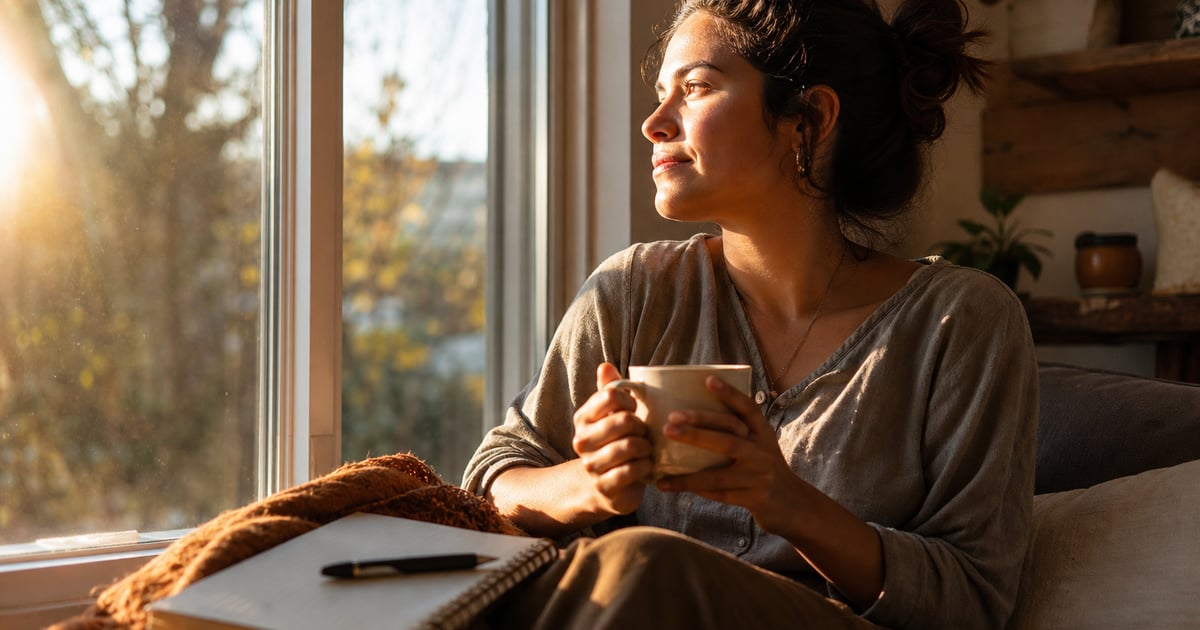
Introduction: what if death set you free?
We all have that moment of panic, fleeting or deep, when we think about death. Not very glamorous, but totally universal. Yet this taboo might actually be the key to a more peaceful relationship with your body. This article invites you to explore how thinking about your own mortality can, paradoxically, help you love your body as it is, with all its strengths and flaws. We’ll lean on a Psychology Today article (The Latest) to break down this mechanism and give you practical tips for being kinder to yourself.
Why fear of death shapes how we see our bodies
Behind the obsession with the perfect appearance, there’s often a deeper fear: our vulnerability—and ultimately, death. We idealize, control, and hide our flaws to forget we’re mortal. Becoming aware of this mechanism is already a step towards more self-compassion. - We try to control our bodies to feel safe: if I feel strong, young, “perfect,” maybe I can escape mortality for a bit. - Social norms amplify this: social media, ads, pressure to stay young or thin—all push us to deny our fragility. - But the more we refuse our vulnerability, the more we fall into comparison, self-criticism, and
The body: armor or just proof you’re alive?
Sometimes we treat our bodies like armor, something to perfect and defend against time. But if you look closely, isn’t every imperfection, every sign of aging, every bit of fragility also proof that you’re alive, right here and now? - Wrinkles, scars, and marks tell a story—your story. - Illness, injury, or even just tiredness remind us our bodies aren’t invincible… and that’s normal. - Accepting your body’s imperfections means valuing it for more than just looks or performance. Reconnecting with this idea helps you find a calmer relationship with yourself.
Thinking about death: a twist to let go of your hang-ups
We often think that pondering death will just make us anxious. But, according to Psychology Today, remembering our mortality can actually transform how we relate to our bodies. When you realize time is limited, you put things in perspective: - Does that pimple or roll really deserve so much energy, when life is flying by? - Would you rather spend your time judging yourself or enjoying what your body lets you experience? - Accepting vulnerability means stopping the fight against little details and starting to savor the moment. This plot twist is your chance to move from shame to gratitude, fr
The trap of control: why running from vulnerability makes things worse
The more you refuse to face your fragility, the more you risk getting stuck in an impossible quest: total control over your body. But that control is an illusion—and often a source of distress. - Denying your vulnerability leads to restrictive diets, forced workouts, constant monitoring. - It can even lead to extreme behaviors (eating disorders, perfectionism, body anxiety). - By accepting your humanity, you defuse the pressure and open the door to more kindness towards yourself. Daring to face your fragility is a real breath of freedom.
What science says: between existential psychology and acceptance
Existential psychology has looked at the impact of death awareness on our behavior. According to several studies, facing our mortality can strengthen our desire to find meaning in life and let go of superficial concerns. - Sheldon Solomon’s work (terror management theory) shows that fear of death can make us overvalue appearance, but if we accept it, it can also lead to more authenticity and self-acceptance. - Other research suggests that meditating on mortality encourages gratitude and letting go (though it doesn’t erase all anxiety, of course). Note: it’s not about forcing yourself to thin
Real-life examples: how this shift in perspective can help you daily
People who’ve gone through illness, grief, or just an existential wake-up call often say their relationship with their body changed after realizing their vulnerability: - Less self-criticism about looks, more appreciation for what their body lets them do each day. - More forgiveness for small flaws, more pleasure in moving, feeling, experiencing. - Ability to put social norms in perspective and define their own beauty, far from the usual standards. You don’t have to wait for something dramatic to start this shift—it’s an inner journey, open to everyone.
How Lunaia can help you embrace your vulnerability
On Lunaia (https://lunaia.me), you’ll find tools to help you practice self-acceptance every day: - Check-ins to observe your mood and thoughts without judgment - Breathing and guided meditation exercises to reconnect with the present moment and your body - Tips for welcoming your emotions, even those linked to fear or vulnerability The app helps you build, step by step, a gentler and more peaceful relationship with yourself. It’s not a promise of perfection, but a kind companion to help you feel alive, here and now.
Takeaway: your vulnerability is your real superpower
Accepting that you’re not invincible means recognizing the immense value of your life—and your body, just as it is. Your fragility isn’t a flaw to hide, but a strength to embrace. The more you dare to face it, the more you free yourself from the pressure to be perfect, and the more you truly enjoy life. Take care of yourself, with gentleness and gratitude. _Source: Psychology Today: The Latest, "When Death Awareness Changes How We See the Body"._
What if thinking about death really changed how you see your body? · Blog Lunaia