The Ocean’s Hidden Fungi: An Invisible World That Changes Everything
Did you know the ocean is home to microscopic fungi? Their quiet role could totally change how we see marine life.
Introduction: The Ocean, a World Full of Surprises
When you think of the ocean, you probably picture schools of fish, colorful coral, maybe even majestic whales. But did you know that hidden in the depths, there are also microscopic fungi? These tiny beings, invisible to the naked eye and long overlooked by researchers, might hold essential keys to understanding how marine life works. What if this secret world was way more important than we ever thought? Take a deep breath and dive with me into this unusual journey at the heart of the ocean, where science reveals the incredible power of the smallest players in biodiversity.
Ocean Fungi: Invisible but Very Real
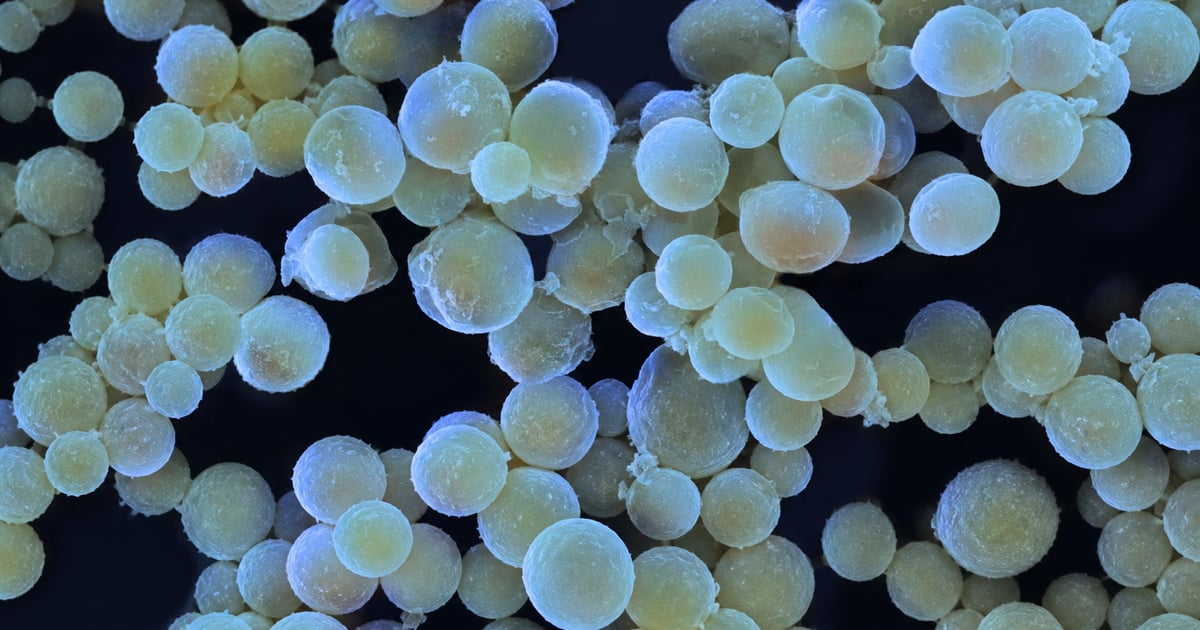
We usually associate fungi with forests, cooking, or decomposing dead leaves. But the ocean is also home to a multitude of microscopic fungi, called marine mycetes. **Who are they?** - Most are invisible without a microscope: they’re just a few micrometers big. - They live everywhere, from coastal waters to the deep sea, on coral, and in plankton. - Some cling to algae, others live in sediments or float freely. For a long time, their existence was just a footnote, since we didn’t have the tools to observe them. But thanks to scientific advances, we’re starting to get a better idea of their d
An Ecological Role Long Underestimated
For decades, scientists focused on bacteria, viruses, and algae when studying the ocean. Fungi seemed secondary, almost irrelevant. But new research, highlighted by ScienceAlert, is shaking up that view. **What we’re discovering now:** - Marine fungi recycle dead organic matter, just like their land cousins. - They break down plant debris, animal remains, and even pollutants, releasing essential nutrients for the rest of the food chain. - Their actions affect coral health, algae growth, and plankton survival. In short, without them, the balance of the marine ecosystem would be at risk. Their
Shadow Engineers: How Do They Work?
Marine fungi are true ecosystem engineers. The way they work is fascinating: - They secrete enzymes that can break down complex molecules, sometimes impossible for other organisms to digest. - By recycling dead matter, they indirectly feed the whole ecosystem: plankton, fish, coral, algae… - Some form symbiotic relationships, helping coral resist environmental stress. Their low profile is their strength: they work silently, but their impact is felt at every level of the food chain. Without them, nutrient flow would slow down, putting marine life as we know it at risk.
Why Do We Know So Little About Them?
There are a few reasons why marine fungi have stayed in the shadows for so long: - **Tiny size:** most are less than 10 micrometers. - **Hard to spot:** they’re often mistaken for other microorganisms. - **New research techniques:** only recently have environmental DNA and advanced microscopy let us identify and track their activity. This invisibility slowed down their study, but now science is catching up. The first discoveries are opening up new questions: how many species are there really? What’s their role in fighting pollution?
What Science Says: What We Know and What’s Still a Mystery
According to ScienceAlert, current studies are mostly observational. We know that marine fungi: - Are found in almost every ocean habitat. - Are more diverse than we thought. - Actively help recycle nutrients. But there’s still a lot to learn: - Their exact impact on the food chain and ocean health isn’t fully understood. - Some species might help remove pollutants or resist climate change, but there’s no solid proof yet. Science is moving fast, but we need to stay cautious: every discovery brings new questions. The story of marine fungi is just beginning.
Caring for Nature’s Balance Means Caring for Yourself Too
Why talk about marine fungi on a well-being blog? Because everything’s connected: nature’s balance directly affects our own balance. Healthy oceans produce oxygen, regulate the climate, and feed millions of people. Understanding and respecting the invisible players in this system is also a way to respect life… and yourself. - Realizing these connections helps you put things in perspective, feel wonder, and escape daily stress. - Getting curious about science feeds your mind and builds mental resilience. Every discovery about the natural world reminds us that even in the invisible, there are
How Lunaia Can Help You Grow Curiosity and Balance
At Lunaia, we believe curiosity and connecting with nature are powerful tools for mental well-being. The Lunaia app offers you: - A daily check-in to better understand your emotions, stay present, and notice what’s around you. - Breathing and guided meditation exercises to calm stress and find your balance, even when things feel blurry or invisible. - Inspiring content to keep you curious, amazed, and open your mind to the world. Want to explore all this? You can find out more at https://lunaia.me. Sometimes, you just need to look differently—or listen to what’s happening beneath the surface
The Ocean’s Hidden Fungi: An Invisible World That Changes Everything · Blog Lunaia