The Ocean’s ‘Backrooms’: When Science Discovers the Unexpected Under the Sea
Scientists accidentally discovered mysterious labyrinths at the bottom of the ocean. A fascinating story that challenges our thirst for exploration and our relationship with the unknown.
Introduction: When the Ocean Reveals Its Best-Kept Secrets
Picture yourself in the middle of a deep-sea exploration. You think you’re searching for a shipwreck, already imagining the remains of a sunken vessel… But suddenly, what you find is nothing like you expected. That’s exactly what happened to a team of scientists, as reported by ScienceAlert: while hunting for historical treasures, they stumbled upon enigmatic structures—natural labyrinths, nicknamed the ocean’s “backrooms.” This story, straight out of a video game, reminds us how many mysteries our planet still holds. What if you let yourself be surprised by the unknown too?
Explorers Searching for a Shipwreck… and Something Else
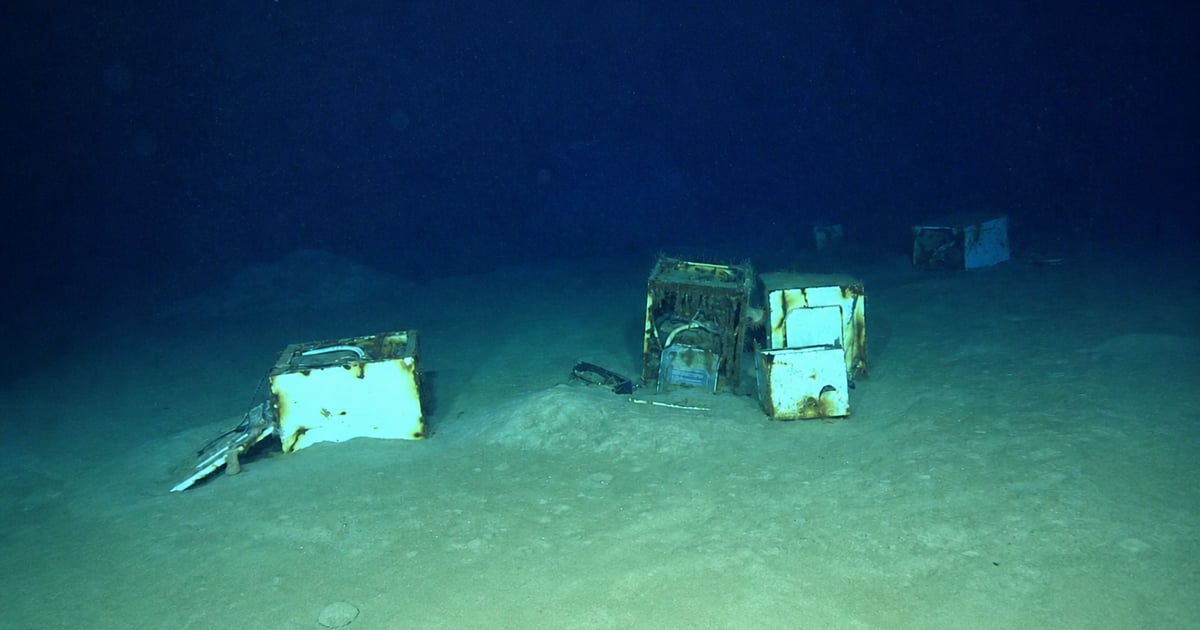
The original mission was clear: find a missing shipwreck in the depths. Armed with submersibles and cutting-edge tools, the researchers thought they’d be mapping the past. But reality turned out to be way more surprising. While exploring the seafloor, they came across never-before-seen formations—strange, enclosed spaces never documented before. These structures, far from being human ruins, seemed to form a network of natural rooms and corridors, hidden miles below the surface. Even the seasoned experts were thrown off by this unexpected sight.
The Ocean’s ‘Backrooms’: A Life-Sized Mystery
The term “backrooms” comes from video games and internet culture: it refers to secret, unexplored places where you never know what you’ll find. In this case, these “backrooms” aren’t human-made or ordinary caves. They’re geological formations—natural rooms, isolated and connected by passages that are sometimes narrow, sometimes vast, where light barely filters through. Their discovery highlights how much unknown still exists in scientific exploration, even in the age of satellites and digital tech. These spaces have stayed hidden for centuries, protected by the vastness and crushing pressure o
Secret Ecosystems and Unknown Creatures
What’s most fascinating isn’t just the structure of these labyrinths, but what lives inside them. Scientists observed organisms never seen before: bioluminescent creatures, crustaceans with unique shapes, and micro-ecosystems that seem to follow their own rules. These places are true biodiversity sanctuaries, protected from light, noise, and human influence. - New species: each “room” can shelter unique life forms, adapted to extreme conditions. - Unseen landscapes: stalactites, hydrothermal vents, colorful bacterial mats… - Unknown interactions: some organisms seem to collaborate or coexist
Why Are We So Drawn to the Unknown (and How to Deal With It)
Faced with these discoveries, one question stands out: why are we so fascinated by what we don’t know? - **Natural curiosity**: exploring the unknown is a way to push the limits of what we know and step out of our comfort zone. - **Need for escape**: imagining hidden worlds is also a way to break free from routine and get inspired by adventure. - **Fear and wonder**: the unknown can be scary, but it also sparks creativity and imagination. In our own lives, there are also “backrooms” inside us: parts of ourselves we don’t always dare to explore. Breaking out of our usual patterns sometimes me
What Science Says About Unexplored Areas and Our Brain
Scientifically, our attraction to the unknown is partly explained by how our brain works. When you discover a new environment or new information, your brain releases dopamine—the hormone linked to pleasure and motivation. This feeling of novelty encourages learning and personal growth. Plus, according to psychology studies, exploring the unknown—whether it’s a place, an idea, or an emotion—boosts mental flexibility and strengthens resilience. It can also help reduce boredom and anxiety caused by monotony. But be careful: the unknown can also cause stress or anxiety, especially if you feel ove
How Lunaia Can Help You Explore Your Own Inner ‘Backrooms’
Exploration isn’t just about the depths of the ocean. Sometimes, the biggest mysteries are inside us: buried emotions, forgotten dreams, unexplored desires. Lunaia helps you on this inner adventure with tools like emotional check-ins, breathing exercises, guided meditations, and content that sparks your curiosity. You can learn to know yourself better, break out of your routine, and get comfortable with the unknown, step by step. Discover everything Lunaia offers at https://lunaia.me and start your own journey into the unexpected.
The Ocean’s ‘Backrooms’: When Science Discovers the Unexpected Under the Sea · Blog Lunaia