Recycling Your Food Waste: A Small Act That Changes the Planet
Recycling your food scraps is a real way to help the environment and your own well-being. Find out why every peel really matters.
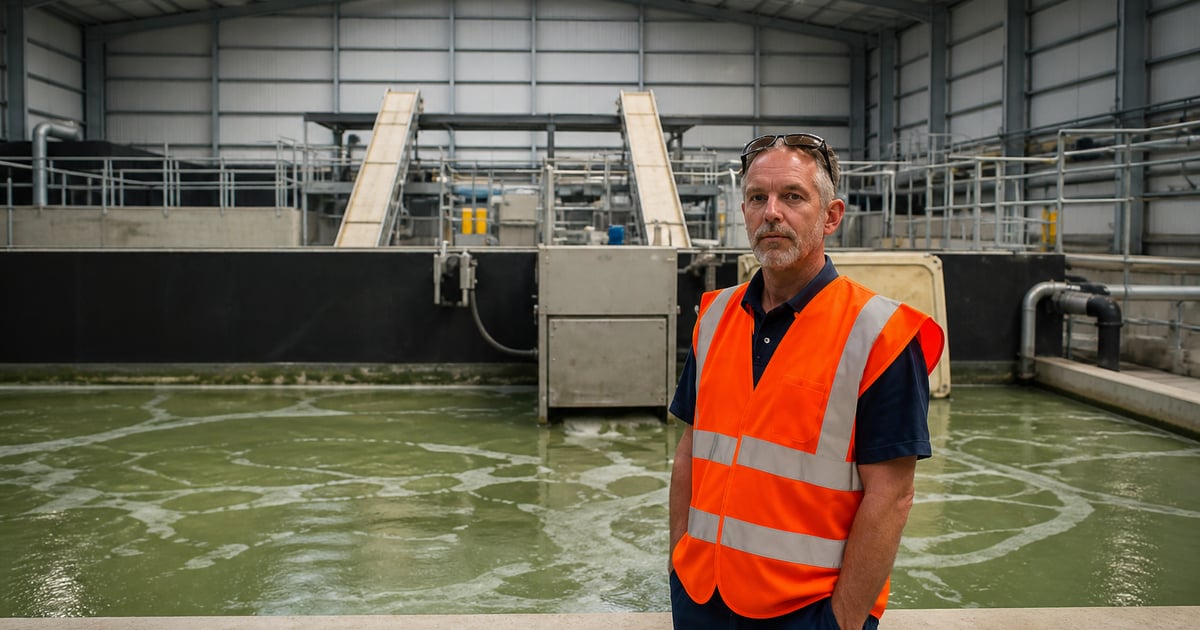
Introduction: What You Throw Away Can Change Everything
Have you ever wondered if tossing a simple banana peel could really make a difference? Behind every small action, there’s huge potential. In Cornwall (UK), recycling food waste diverted 36,000 tons of scraps from regular trash in just two years (source: BBC News). This impressive number proves that our individual actions add up—and can even change the planet. But why is this topic so crucial for the environment… and for your inner balance? Dive into the story behind a simple gesture that has more impact than you might think.
The Context: Why Food Waste Is a Major Challenge
Every year, millions of tons of food end up in the trash when they could be put to good use. This waste isn’t just a loss of resources—it also massively contributes to greenhouse gas emissions. When food scraps are buried, they produce methane, a gas 25 times more harmful than CO2. Most of this waste could be recycled or turned into energy. Once you understand this, you realize that every peel tossed in the right bin is a real step to shrink your ecological footprint.
How Does Food Waste Recycling Work?
Recycling your food waste isn’t complicated: - Separate your scraps (peels, coffee grounds, eggshells…) from the rest of your trash. - These are collected separately by your local council. - They’re then sent to specialized centers for processing. Depending on the facility, they become: - Compost, which enriches farmland or green spaces. - Energy (biogas), thanks to methanization. The result: less landfill, less pollution, and a resource that benefits everyone—from the soil to your plate.
The Benefits: Why It’s Worth the Effort Every Day
Recycling your scraps isn’t just for the planet. It’s also: - A direct reduction in greenhouse gases, helping slow climate change. - A way to give value to what seemed useless and fight the feeling of waste. - A chance to reconnect with what you consume, adopting a more mindful and calming approach. - A virtuous circle: your waste feeds the earth, which grows new food. This daily act becomes meaningful, rewarding, and motivating to keep going.
The Trap of “It Doesn’t Matter”: Accumulation Makes the Difference
Many people think their small contribution won’t change anything. But Cornwall’s example proves otherwise: 36,000 tons of food waste recycled in two years is the sum of thousands of individual actions. Your gesture, even tiny, adds up with others. That’s the power of cumulative effect: alone, you might feel invisible, but together, we create real change. Remember, every action counts, and you’re part of a collective movement that gives meaning to daily effort.
What Science Says: The Evidence and Limits of Food Waste Recycling
Scientific studies confirm the value of recycling food waste: - According to the French Environment and Energy Management Agency (ADEME), composting and methanization significantly reduce greenhouse gas emissions. - Recycling eases pressure on landfills and improves soil quality. But there are limits: - Not all waste can be recycled (plastics, some packaging). - Collection logistics can be tricky depending on the region. - The action needs to go hand-in-hand with reducing waste at the source. But the main thing is: every action, even imperfect, helps the bigger picture.
Real-Life Tips: How to Make Recycling Part of Your Routine
You don’t have to be perfect to start! Here are some easy ways to get going: - Set up a small compost bin in your kitchen, easy to reach. - Check your local sorting rules (some collect eggshells, coffee grounds, etc.). - Use peels to make broths or homemade chips before recycling them. - If you have a garden, compost directly on site. - Encourage friends and family to join in—change is easier together. Over time, these actions become automatic and give you the feeling you’re really making a difference for the planet.
How Lunaia Can Help You Anchor These Positive Habits
Taking care of the environment is also taking care of yourself. The Lunaia app helps you build new habits with daily check-ins, breathing exercises to ground you in the moment, and guided meditations to boost your motivation. By tracking your progress and reconnecting with your values, you turn recycling into a rewarding ritual that’s good for your mental health. Discover Lunaia’s tools at https://lunaia.me and move at your own pace toward a more aligned life—for you and the planet.
Recycling Your Food Waste: A Small Act That Changes the Planet · Blog Lunaia