Medical AI and the Rare Disease Trap: Watch Out for Missed Diagnoses!
Artificial intelligence makes medical diagnoses easier, but its limits with rare diseases are still little known. Find out why keeping a critical mind will protect your health.
Introduction: When AI Promises… But Doesn’t See Everything
Artificial intelligence (AI) is becoming more and more common in medical diagnosis. You’ve probably heard about these tools that can detect in seconds what used to take hours or even days. But behind this promise of speed and accuracy, there’s a risk that’s often ignored: missing rare or atypical diseases that don’t fit the usual database patterns. What if technology, while trying to help, actually keeps you from getting a crucial diagnosis? Let’s see together how AI in medicine can sometimes miss what matters most, and why it’s still essential to keep a human eye on your health.
Medical AI: A Valuable Ally, But Not Infallible
AI has shaken up the world of healthcare. By analyzing thousands, even millions, of medical records, it spots trends, anomalies, or correlations that were once invisible. This means you get faster diagnoses, sometimes even more accurate than those made by humans alone. But AI mainly works with existing data: it learns to recognize what it’s already seen, and it’s best at detecting the most common cases. But medicine isn’t just about statistics. Your uniqueness, your story, your unusual symptoms can sometimes get pushed aside.
The “Most Likely” Bias: Why AI Misses the Exceptions
The core issue? Medical AI favors the most probable diagnoses. It analyzes your symptoms, compares them to thousands of cases, and then suggests what comes up most often. For example: persistent fatigue is often labeled as "stress," "lack of sleep," or "anxiety," because those are the most common causes. But what if a rare disease is hiding behind that fatigue? This statistical approach, while effective most of the time, creates a blind spot: missing atypical diagnoses, or so-called "zebra" diseases.
The “Zebras”: When Rare Diseases Become Invisible
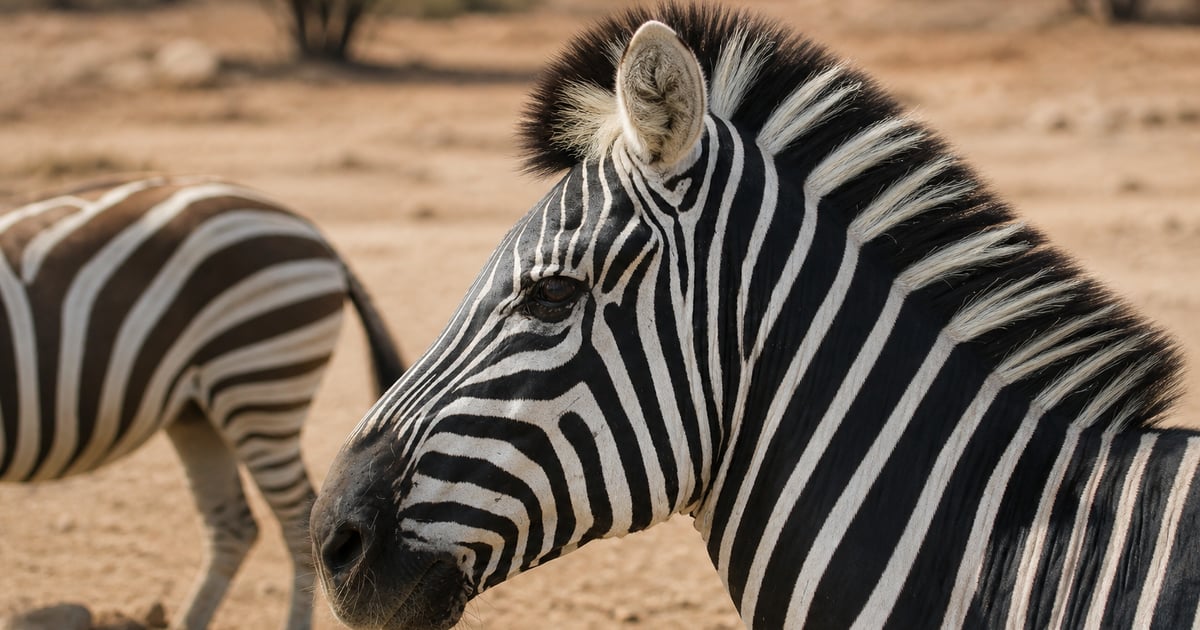
In medical language, "zebras" are rare or atypical diseases that are hard to spot because they don’t look like common cases. AI, trained mostly on data sets full of common illnesses, tends to ignore or underestimate these "zebras." - Rare diseases actually affect at least 300 million people worldwide. - Symptoms are often ordinary (fatigue, pain, digestive issues…), which increases the risk of confusing them with common conditions. - Patients with "zebra" diseases often go through long periods of diagnostic odyssey, seeing multiple doctors without clear answers. That’s exactly what Psycholog
Real-Life Examples: When the Common Hides the Exception
Let’s imagine a few situations: - You see a doctor for chronic fatigue. AI, looking at your symptoms and its statistics, suggests burnout or depression. But behind it, there could be an autoimmune disease. - Another patient has abdominal pain. AI mentions irritable bowel syndrome, but the real issue is a rare metabolic disease. - With memory problems, AI thinks anxiety or lack of sleep, but misses the start of an unusual neurological disorder. These examples show how always going for the "most likely" can delay discovering what really matters for your health.
What Science Says About AI and Rare Diagnoses
Scientific publications, as highlighted by Psychology Today: The Latest, remain cautious. Studies show that AI improves early detection of common diseases, but its effectiveness with rare or atypical conditions is still limited. Researchers stress several points: - Algorithms are only as good as the data they’re trained on. Rare cases are underrepresented. - AI can’t replace the intuition and clinical experience of a healthcare professional. - Combining humans and machines gives better results, especially for spotting the unusual. In short, science encourages using AI as a complementary tool
Taking Care of Yourself: How to Avoid Medical AI’s Pitfalls
With these limits in mind, what can you do? - **Stay critical**: if your diagnosis doesn’t feel right, don’t hesitate to get a second opinion. - **Share your feelings**: tell your doctor about anything unusual, even if AI didn’t pick it up. - **Be proactive about your health**: ask questions, request explanations about diagnostic choices. - **Value human expertise**: AI is a tool, but the doctor-patient relationship and listening are irreplaceable. It’s not about rejecting technology, but using it wisely, always alongside personalized human care.
How Lunaia Helps You Stay Tuned In to Yourself
When you’re uncertain about a diagnosis or struggling to be heard, Lunaia is here to help you get to know yourself and take care of your mental health every day. With its tools (emotional check-ins, breathing exercises, guided meditations…), you learn to notice your feelings, spot subtle signals, and nurture your well-being. Taking a few minutes to refocus, jot down your symptoms or emotions, also brings clarity before a medical appointment. See how Lunaia can help you stay tuned in to yourself, at your own pace: https://lunaia.me
Medical AI and the Rare Disease Trap: Watch Out for Missed Diagnoses! · Blog Lunaia