Liminal Spaces: Why Empty Places Fascinate and Unsettle Your Brain
Liminal spaces—those empty, strangely familiar places—stir up unease and nostalgia. Find out why your brain reacts this way and how to explore these feelings mindfully.
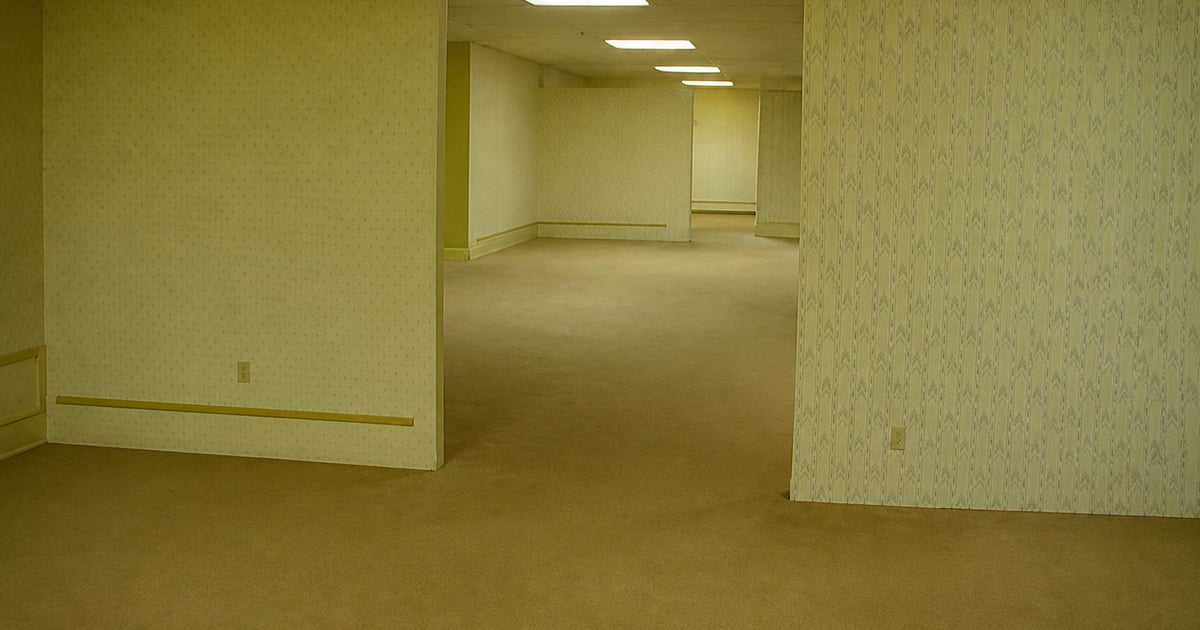
Introduction: When an Empty Place Makes You Uncomfortable
**Ever found yourself alone in an empty mall, a silent school hallway, or a deserted pool?** You get this weird, floaty feeling—part unsettling, part nostalgic. That’s the liminal space effect. These places, not quite abandoned but not really alive, are getting more and more attention online. But why does your brain react so strongly to them? Let’s dive into this fascinating phenomenon and figure out what’s really going on inside you.
Liminal Spaces: What They Are and Where the Idea Comes From
A liminal space is a place of transition—often familiar, but stripped of its usual activity. It could be: - an empty hotel hallway, - a classroom after school’s out, - a deserted shopping mall, - a public pool with no one around. The word "liminal" comes from the Latin "limen," meaning "threshold." These spaces are literally on the border between two states: busy and empty, alive and frozen. The idea got popular on the internet (think "Backrooms"), and it’s both fascinating and a little unsettling.
Why Your Brain Freaks Out in Empty Places
Your brain is wired to spot things that are off. In a place built for life and activity, sudden silence and emptiness create a contradiction. This triggers: - an internal alarm, signaling something’s "off," - heightened alertness, as if some invisible danger might pop up. The mix of the familiar (the setting) and the unfamiliar (the emptiness) throws you off. Instead of feeling comforted, the familiarity actually makes you more uneasy because it highlights what’s missing.
Nostalgia: The Other Hidden Emotion in Liminal Spaces
It’s not just about fear or discomfort. These places also spark a subtle nostalgia. They remind you of: - childhood memories (an empty school, a pool after closing), - moments of solitude or daydreaming, - those "in-between" times when you were drifting between activities or ages. Nostalgia comes from that blend of intimacy (you know the place) and distance (it’s not really yours anymore). That’s why liminal spaces inspire so many conversations and works of art.
Real-Life Examples: When the Ordinary Gets Weird
Here are some situations where you might have felt this weirdness: - Walking through a school after hours, with empty hallways and dim lights. - Wandering a mall at dawn, before it opens, when everything’s silent. - Swimming alone in a public pool or hanging out in an empty locker room. - Taking the elevator in a building without seeing anyone. These are ordinary scenes, but they turn almost "surreal" when stripped of their usual life.
What Science Says (and Its Limits)
Scientific research on liminal spaces is still pretty limited and mostly anecdotal, as **Sciences et Avenir en temps réel : accueil** points out. But psychology offers a few clues: - The human brain needs social and sensory cues to feel safe. - When expected stimuli (sounds, movement, people) are missing, your emotional balance gets thrown off. - Some researchers mention the "uncanny valley" theory—when something looks almost normal, but not quite, it makes you uncomfortable. There aren’t any major studies yet, but neuroscience is starting to look more at emotions tied to places, so this phen
What’s the Point of These Feelings? A Warning, But Also an Invitation
Feeling unsettled is actually healthy. It shows your brain is tuned in to its surroundings and searching for meaning—even in emptiness. But it’s also an invitation to look inward: - Noticing your reactions can help you understand your need for safety and familiarity. - The nostalgia that pops up is a reminder of your own story and memories. - These floaty moments can even spark creativity and daydreaming. Instead of running from these feelings, you can welcome them as chances to reconnect with yourself.
How Lunaia Can Help You Embrace These Feelings
At **Lunaia**, we know that the emotions you feel in a liminal space can be a gateway to greater self-awareness. The app offers: - emotional check-in exercises to name what you’re feeling, - guided breathing sessions to ease discomfort, - meditations to explore your memories and sensations without judgment. Taking time to notice what these places trigger in you can deepen your understanding of your own emotional patterns. Find more tools at https://lunaia.me.
Liminal Spaces: Why Empty Places Fascinate and Unsettle Your Brain · Blog Lunaia