Is Clear Water Always Safe? When Nature Blurs the Lines
A crystal-clear stream can hide invisible pollution. Learn to look beyond appearances—for the environment and your own well-being.
Introduction: When Water’s Clarity Tricks Our Senses
We’ve all admired a clear stream and thought, “Everything here must be healthy and fine.” But nature—just like our inner well-being—loves to blur the lines. Recently, the chalk stream showcased by Thames Water in the UK was rated poor quality despite its apparent clarity. This story, reported by the BBC, makes us think: what if what looks pure isn’t always so? And what if, in nature and in life, we need to learn to look beyond appearances?
The Thames Water Case: A ‘Model’ Stream in Question
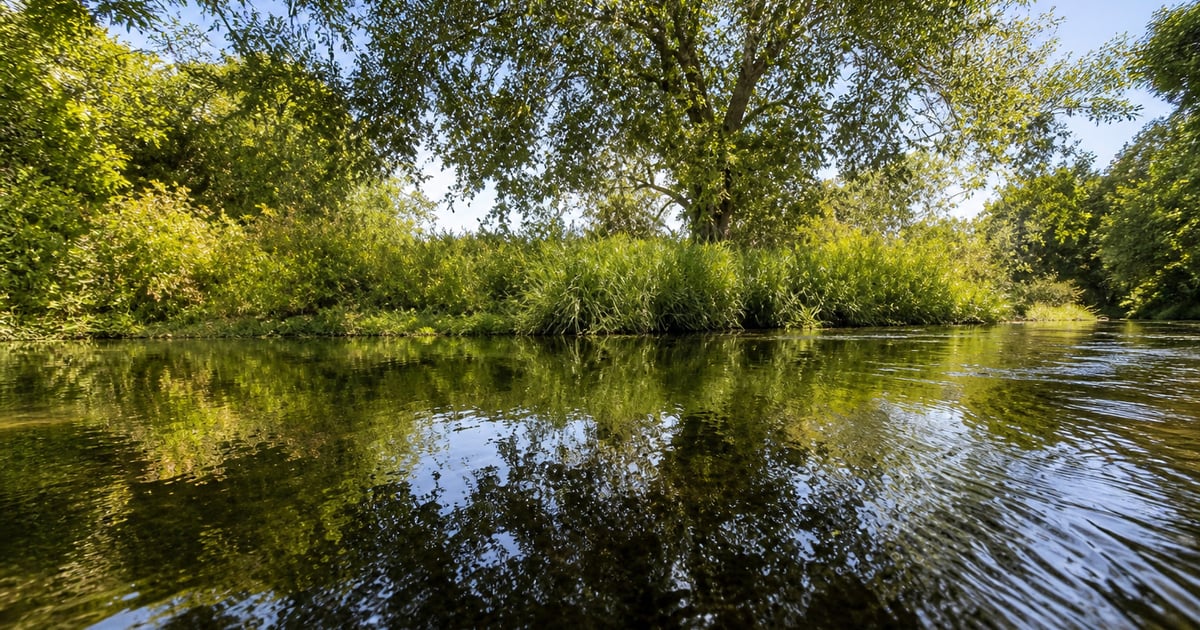
Thames Water promoted this chalk stream as a model of environmental excellence. Its clear water and peaceful banks seemed perfect. Yet, a recent assessment revealed a very different reality: this supposedly top-notch stream is actually rated poor quality. Why? Because the water, despite its clarity, contains invisible pollutants from multiple sources. This challenges the idea that an environment’s appearance guarantees its quality.
Clear Water: A Misleading Indicator
We often associate clarity with purity, whether in nature or on our plates. But clear water can hide: - Invisible chemical pollutants (pesticides, heavy metals) - Harmful bacteria or microorganisms - Endocrine disruptors In the Thames Water stream, analysis showed that despite the lack of cloudiness, pollution was present. It’s the same trap in other parts of life: what seems healthy or natural isn’t always what it appears.
Hidden Sources of Pollution
Why is this stream, despite being maintained and monitored, polluted? Several factors combine: - Subtle but persistent industrial discharges - Fertilizers and pesticides from nearby agriculture - Imperfect or aging sewage systems - Diffuse pollution from urbanization Even with major investments, the complex interactions between human activity and ecosystems make total water quality control very difficult. It’s a reminder that visible efforts aren’t always enough to make a real difference.
Appearances and Well-Being: A Lesson to Remember
What’s true for the environment also applies to our mental well-being. We tend to judge health—ours or others’—by what we see: a big smile, apparent energy, a well-oiled routine. But just like clear water can hide pollutants, our habits or those of others can mask silent struggles. Taking care of yourself means looking beneath the surface, questioning what seems obvious, and not relying only on the image you project.
What Science Says About Water Quality (and Appearances)
Scientific studies show that water clarity isn’t a reliable indicator of quality. Chemical and bacteriological tests are essential to detect pollutants, even at tiny concentrations. Plus, some toxic substances are odorless, colorless, and invisible to the naked eye. This scientific approach reminds us that intuition or observation can’t tell us everything. Similarly, well-being science warns against snap judgments based on appearances, whether it’s about mental health or lifestyle habits.
How Lunaia Helps You See Beyond Appearances
At Lunaia, you’re encouraged to nurture curiosity and kindness toward yourself. The app offers tools to help you explore what’s beneath the surface: - **Emotional check-in**: take a moment to identify what you’re really feeling, beyond the usual routines. - **Breathing and mindfulness exercises**: learn to observe your thoughts and sensations without being fooled by appearances. - **Guided meditations**: build your ability to welcome whatever comes up, even what can’t be seen. You can discover all these features and more at https://lunaia.me. Sometimes, real clarity comes from a fresh look a
Conclusion: Dare to Question, Protect Yourself Better
The Thames Water stream story, reported by the BBC, reminds us that transparency isn’t the same as health—in nature or in our lives. Make it a habit to question, to look beyond what’s obvious, whether for your environment or your personal balance. Often, the real answers—and the chance for more authentic well-being—are hidden in the details.
Is Clear Water Always Safe? When Nature Blurs the Lines · Blog Lunaia