In the Footsteps of Odysseus: 5 Odyssey Sites to Explore for Inspiration
The Odyssey isn’t just a myth: discover five Mediterranean places where you can walk in Odysseus’ footsteps, travel, and reconnect with yourself.
Introduction: When Legend Becomes an Inner Journey
Have you ever dreamed of following in the footsteps of ancient heroes? Homer’s Odyssey isn’t just a story of monsters and gods: it’s also a hidden travel diary, an invitation to explore the Mediterranean and its mysteries. Today, some of the places Odysseus traveled still exist. Walking there means diving into history—and into your own inner adventure. What if, for the time of a trip or a daydream, you became the explorer of your own personal myth?
The Odyssey: Between Myth, History, and Geography
The Odyssey has fascinated people for centuries. But did you know that behind this epic, there are real landscapes? Homer was inspired by actual places, rooting Odysseus’ journey in concrete Mediterranean settings. Researchers, historians, and enthusiasts have mapped his adventures: the island of Ithaca, volcanic Sicily, the cliffs of Sorrento, and the Pillars of Hercules at Gibraltar. Exploring these sites brings the myth to life, but also makes us reflect on the art of travel, of returning, and on how stories shape our view of the world and ourselves.
Ithaca: The Call of Home and the Search for Meaning
Ithaca is more than just a Greek island: it’s a symbol of coming home, of reaching your goal after hardship. Odysseus pours all his hopes into it, and every traveler who walks its hills feels that special energy. The island, authentic and unspoiled, offers rugged trails, peaceful coves, and villages frozen in time. Walking in Ithaca means reconnecting with your own need for meaning—the idea that every adventure, inner or outer, is about returning to yourself and your core values. The raw beauty of the landscape invites contemplation and reflection on what it means to 'come home' after facing t
Sicily and the Island of the Cyclopes: Facing Your Fears
Off the coast of Catania, Sicily, strange black rocks rise from the sea: tradition says these are the stones thrown by Polyphemus, the Cyclops blinded by Odysseus. Here, the myth is rooted in the volcanic reality of Mount Etna, giving the coast a unique, almost supernatural vibe. Visiting these places is also about facing your own inner 'monsters.' How do you handle fear, the unknown, danger? Odysseus’ story teaches us that courage isn’t about never doubting, but about moving forward even in adversity. A walk along these shores can be a powerful metaphor for overcoming your worries.
The Cliffs of Sorrento: Temptation and Listening to Yourself
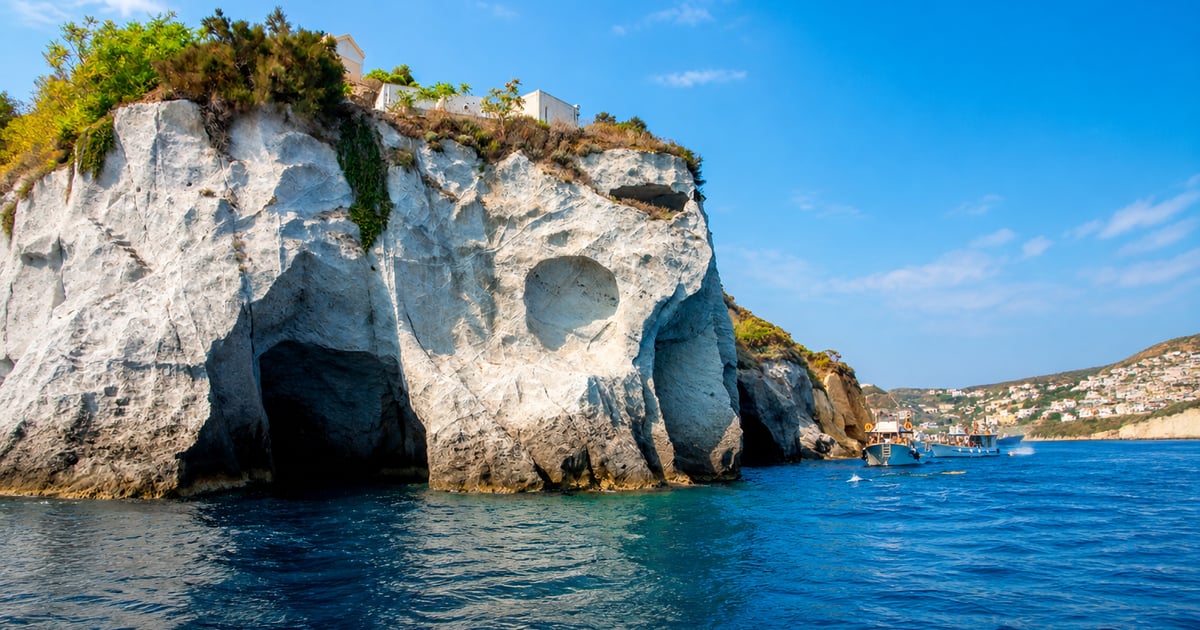
The Sirens of the Odyssey lured sailors with their songs. In Sorrento, Italy, steep cliffs plunge into hypnotic blue water. This is where Odysseus chose to tie himself to his ship’s mast to resist temptation. This place invites you to reflect on your own modern sirens: distractions, doubts, desires that sometimes go against your deeper needs. Taking time to walk these heights, to listen to the wind and the sea, is a chance to question your ability to stay true to your values and to listen to what’s right for you. What would you do in Odysseus’ place?
The Pillars of Hercules: The Thrill of the Unknown
The Strait of Gibraltar, once called the Pillars of Hercules, marked the end of the known world for the ancients. Crossing this threshold meant daring to face the new and uncharted. Odysseus, like every traveler, felt that thrill of possibility. Today, standing between two continents, facing the vastness, you can feel that same emotion: openness, fear mixed with excitement. This symbolic border makes us question our own relationship with the unknown: how do you react when facing a new stage or a major change?
Exploring the Odyssey to Nurture Your Mental Well-Being
Walking in Odysseus’ footsteps isn’t just about travel: it’s also a way to care for your inner balance. These mythical places give you the chance to slow down, meditate, and reconnect with what really matters. The Odyssey is about resilience, returning to yourself, handling challenges, and dreaming of something beyond. By drawing inspiration from this epic, you can question your own quests: what are your challenges? Your sirens? Your awaited returns? Giving yourself space to explore them is already a step toward mental well-being.
What Science Says: Travel, Myth, and Mental Health
Several studies show that travel, immersion in new environments, and contact with nature help with emotional regulation, stress reduction, and self-discovery. Walking in places rich in history or myth can boost your sense of belonging, spark your imagination, and provide a setting for personal reflection. Even without traveling, imagining these stories or exploring the symbolism of Odysseus’ journey can help you make sense of your own challenges and build resilience (source: Mentalfloss Feed, research in positive psychology and cultural geography).
How Lunaia Can Help You Move Forward on Your Own Path
You don’t need to travel the whole Mediterranean to experience your own inner Odyssey. The Lunaia app supports you every day in caring for your mental health, helping you stay grounded in the moment and explore your emotions. With tools like emotional check-ins, breathing exercises, or guided meditations, you can find some clarity—even in stormy times. To learn more and start your inner adventure, check out lunaia.me.
In the Footsteps of Odysseus: 5 Odyssey Sites to Explore for Inspiration · Blog Lunaia