How to Watch a Solar Eclipse Like an 11-Year-Old Astronomy Fan (and Why It Changes Everything)
Discover what a young astronomy enthusiast can teach you about enjoying a solar eclipse. Practical tips, kindness, and guaranteed wonder.
Introduction: When a Child’s Curiosity Inspires Adults
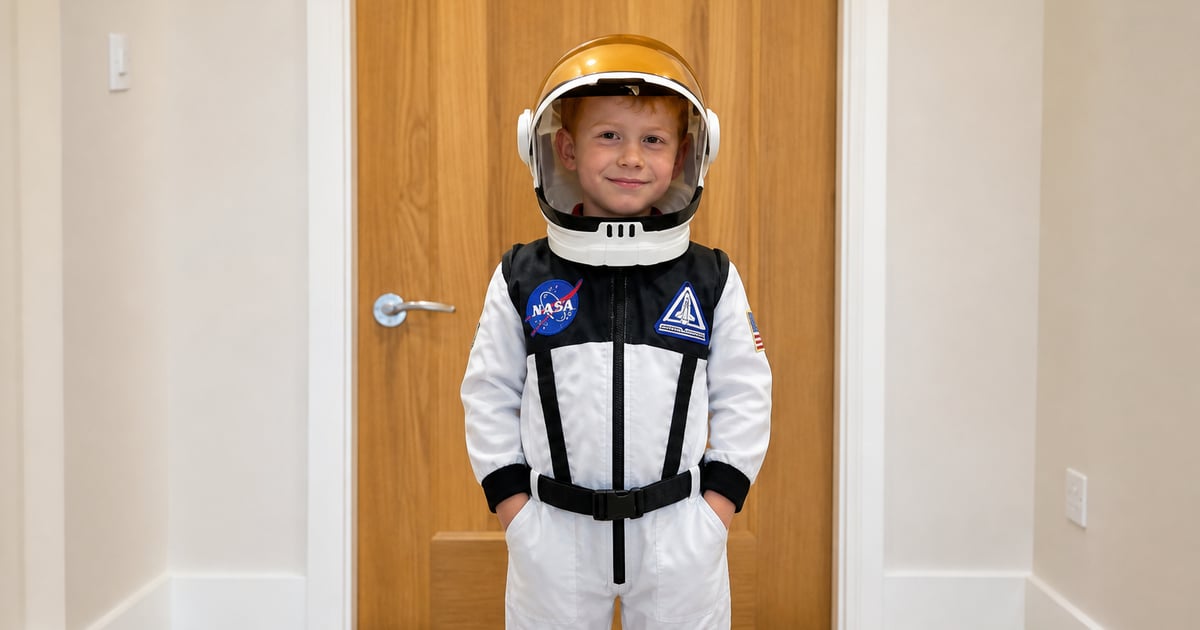
There are rare moments that awaken our inner child’s curiosity—a solar eclipse is one of them. But if you think enjoying this celestial show requires expert knowledge, think again! Efan Dafydd, 11 years old and a passionate astronomy fan, shared with BBC News a kind and accessible approach to make the most of the event… and to create a real bubble of well-being. Discover how his tips, far from clichés, can transform your view of this phenomenon—and much more.
Why Solar Eclipses Fascinate (and Why You Don’t Want to Miss One)
Watching a solar eclipse means witnessing a rare alignment between Earth, the Moon, and the Sun. This spectacle, visible for only a few minutes in certain places, has fascinated humanity for millennia. But why all the excitement? - **A rare phenomenon**: Total solar eclipses, especially, rarely happen in the same place. - **A shared moment**: This kind of event brings people together—friends, family, or fellow enthusiasts. - **A call to contemplation**: The eclipse invites you to slow down, observe, and marvel, fueling curiosity and mindfulness. You don’t need to be an expert to enjoy it. Li
Preparation: The Simplest (and Most Overlooked) Secret
If you really want to enjoy the eclipse, the key is anticipation. Efan Dafydd reminds us: you don’t need pro gear, but you do need to know **when** and **where** to look! - Check the eclipse times for your area. - Choose a clear spot, away from buildings or trees that could block your view. - Get your eclipse glasses ready in advance (no DIY hacks!). - Set an alarm so you don’t miss the moment. Miss one thing, and you could miss a unique experience. This little bit of prep is also a way to practice mindfulness and give yourself a real break from your routine.
Watching Safely: Protecting Your Eyes Means Protecting Your Well-Being
It’s tempting to sneak a peek at the Sun… but it’s risky, even for a split second. Efan insists: **certified eclipse glasses are a must**! - Even during a partial eclipse, solar rays can permanently damage your retina. - Never use regular sunglasses or makeshift filters (CDs, films, etc.). - Check your glasses: if they’re scratched or damaged, don’t use them. Taking care of your eyes is also about respecting your overall well-being. This caution isn’t a burden—it’s part of being fully present in the moment.
Sharing the Moment: Why Experiencing an Eclipse Together Is So Special
An eclipse isn’t just a date with the sky—it’s a chance to create shared memories. Efan loves watching the stars with his family, and he’s not alone in feeling the power of sharing: - Watching together strengthens social bonds and sparks conversation. - Positive emotions are amplified when shared. - Sharing your impressions, wonder, or even questions helps anchor the memory. Even if you watch the eclipse with strangers, you’re part of a huge community of curious people connected by this moment. This sharing is also a source of mental well-being.
What If You Miss the Eclipse? Bounce Back and Nurture Curiosity Every Day
Missed the eclipse? No worries. Efan suggests using it as a chance to explore other wonders of the sky. This simple advice has a surprising impact: - Watching the Moon, stars, or just the sunset is already a moment of awe. - Taking time to look up can shift your perspective on your day. - Accepting that you missed an event helps you savor the present and put things in perspective. Curiosity isn’t just for rare events—it can be nurtured every day, and it’s a powerful tool for your mental well-being.
What Science Says: Wonder, Contemplation, and Mental Health
Science confirms that awe and nature contemplation have positive effects on mental health. Several studies show: - Watching a natural phenomenon like an eclipse reduces stress and boosts mindfulness. - Sharing a rare experience with others increases your sense of social connection. - Curiosity fuels motivation, learning, and open-mindedness. Even if the “wow” effect of an eclipse lasts only a few minutes, it can leave a lasting mark on your mood and your relationship with the present. But remember: these benefits never replace medical support if you’re struggling with major mental health iss
How Lunaia Can Help You Nurture Curiosity and Mindfulness Every Day
At Lunaia, we believe that every little moment of curiosity and contemplation can make a real difference for your well-being. Even if you can’t watch an eclipse every day, you can rediscover that sense of wonder daily with: - Guided breathing exercises to anchor you in the moment. - Meditations to grow your mindfulness and sense of awe. - A well-being check-in to reflect and celebrate your small wins. Check out the Lunaia app at https://lunaia.me and start nurturing this kind, attentive mindset at your own pace.
Sources and Thanks
This article is inspired by the story of Efan Dafydd, 11-year-old astronomy enthusiast, published by BBC News (source: https://www.bbc.co.uk/news/articles/cn9npgez25lo?at_medium=RSS&at_campaign=rss). Thanks to him for reminding us that curiosity has no age, and every moment of wonder is precious.
How to Watch a Solar Eclipse Like an 11-Year-Old Astronomy Fan (and Why It Changes Everything) · Blog Lunaia