Forgotten Kings and Assyrian Secrets: When Official History Lies
Archaeologists reveal the existence of three hidden Assyrian kings, uncovering a past far more brutal than expected. Let’s decode how forgetting and erasing worked in the ancient world.
Introduction: What if history is hiding the truth from you?
We often think history is solid: dates, facts, names carved in stone. But what happens when huge parts of our past are deliberately erased? Recently, an archaeological discovery shook up what we thought we knew about ancient Assyria. Three kings, unknown until now, have stepped out of the shadows—revealing a time way more violent than the official chronicles let on. Dive in with me to this fascinating story where truth hides between the lines… and where learning to doubt is a real tool for mental well-being.
Assyria: An Ancient Power, But an Incomplete Story
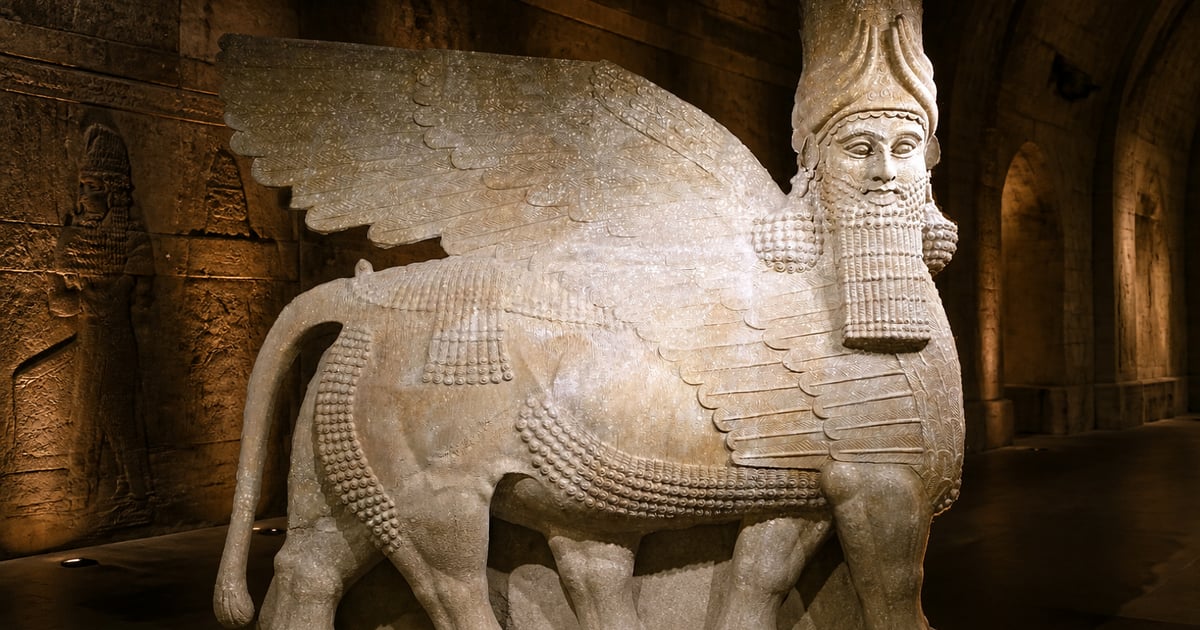
Assyria, in the heart of the Middle East, was one of the greatest empires of antiquity. Its archives, palaces, and clay tablets tell of its kings’ greatness, conquests, and culture. But this story was always told by the winners—especially those who wanted to control the narrative. That’s what the recent discovery of three previously unknown Assyrian kings reminds us. Their erasure raises questions: why and how were these rulers wiped from collective memory?
Kings Out of the Shadows: The Discovery That Changes Everything
In 2024, a team of archaeologists uncovered inscriptions and ruins mentioning three unknown Assyrian kings. These names appeared in no royal lists, no official stories. By carefully analyzing fragments of erased texts and monuments, researchers found troubling clues: these kings ruled during a time of extreme turmoil, marked by civil wars and rarely documented violence. According to ScienceAlert, their existence challenges the smooth, triumphant version of Assyrian history we thought we knew.
Why Erase Kings? How the Past Gets Manipulated
Erasing rulers from the official story is no small thing. In Assyria, like elsewhere, controlling history meant controlling power. New kings had every reason to hide the bloodiest episodes to: - Strengthen their own legitimacy - Downplay times of chaos - Present a reassuring sense of continuity This process, called "damnatio memoriae," existed in many civilizations. By erasing traces, successors could present themselves as the true heirs to greatness, while blaming mistakes on now-invisible figures.
What the Stones Really Say: Violence, Chaos, and Resilience
The inscriptions archaeologists found leave no doubt: they describe sieges, executions, acts of revenge, and brutal struggles for the throne. For example: - Stories of entire cities destroyed in civil wars - Carved testimonies of collective punishments - Ruins showing rapid rebuilding after massive destruction These clues show Assyria wasn’t always a stable, all-powerful empire—it went through fragmentation and extreme violence. Knowing these moments existed also means recognizing the resilience of this civilization, able to bounce back after crisis.
Remember: Official History Is Often Incomplete
The Assyrian case is a valuable reminder: the stories you read in books or hear at school are often the result of choices, omissions, and sometimes manipulation. Archives can be rewritten, dark chapters erased to leave only an idealized version. Keeping a critical mind means learning to question sources and look for what’s been hidden or forgotten. This habit is also a plus for your mental well-being: it helps you avoid getting trapped in imposed stories and build your own view of the world.
What Science Says: Between Evidence and Archaeology’s Limits
History and archaeology rely on material evidence (inscriptions, ruins, objects) but also on interpretation. Discovering three forgotten kings depends on comparing different sources and careful cross-checking. But it’s important to be cautious: - Evidence is sometimes fragmentary or ambiguous - Interpretations change with each new find - Ancient history always has a dose of uncertainty This scientific work, reported in ScienceAlert, doesn’t claim to explain everything but invites us to stay open to new questions. It’s also an invitation to curiosity and humility about the past.
How Lunaia Can Help You Grow Critical Thinking and Calm
Realizing even history can be manipulated can be unsettling. But it can also encourage you to develop your critical thinking, take a step back, and better handle your emotions when facing uncertainty. The Lunaia app supports you on this journey with: - Check-in exercises to step back from your thoughts and feelings - Breathing sessions to ease tension from doubt or frustration - Guided meditations to nurture curiosity, resilience, and calm To learn more and see how to use these tools every day, visit https://lunaia.me.
Forgotten Kings and Assyrian Secrets: When Official History Lies · Blog Lunaia