Deadwood in the Forest: Danger or Ally for Biodiversity and Our Balance?
Contrary to popular belief, deadwood in the forest protects biodiversity. Discover why it’s essential, and how you can take inspiration from it for your own well-being.
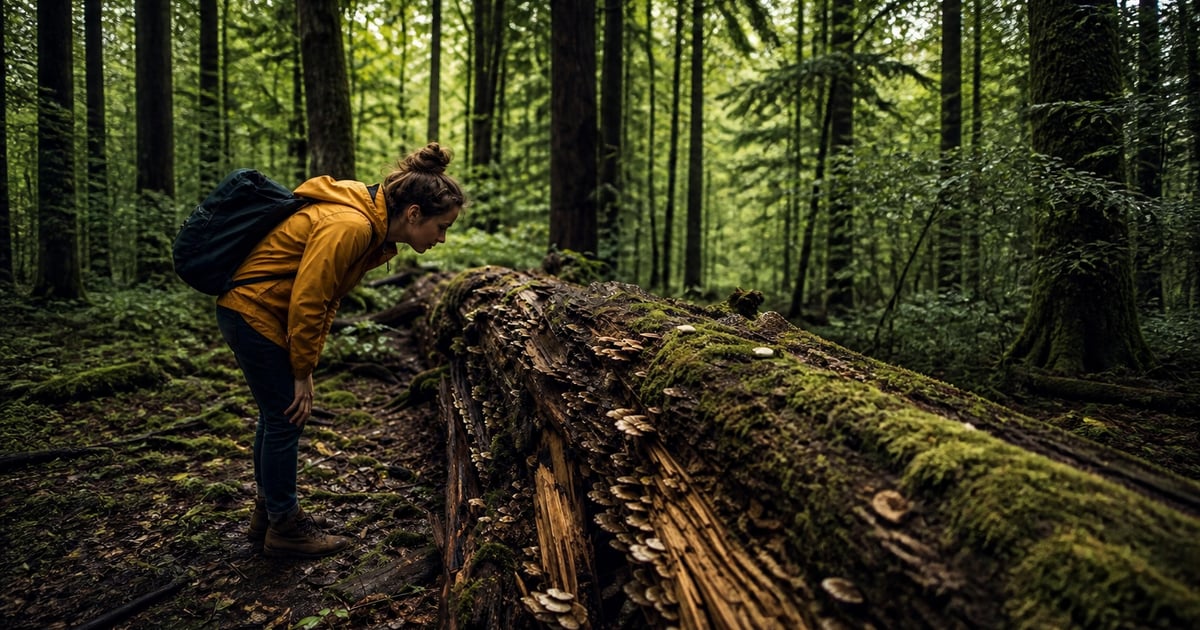
Introduction: Deadwood, the Misunderstood Treasure
You’ve probably walked through a forest and noticed fallen trunks, broken branches, or decaying stumps. Instinctively, you might think of neglect, mess, or even environmental risk. But what if these pieces of deadwood are actually the secret guardians of the forest’s health… and, by extension, a beautiful metaphor for our own inner balance? Let’s dive into the surprising truths about deadwood, biodiversity, and what we can learn from it for our well-being. (Source: The Conversation – Articles (FR))
Five Times More Deadwood in Twenty Years: A Surprising Trend
In France, the amount of deadwood in forests has increased fivefold in just twenty years. That’s a huge number, and at first glance, it might seem worrying. But this change isn’t random or due to widespread neglect. Several factors explain this rise: - **Heatwaves and droughts**: These weaken trees, making them die more easily. - **More frequent storms**: These knock down many trees, creating lots of deadwood. - **Changes in forest management**: More wood is left on the ground, supporting the ecosystem’s natural cycle. Far from being a disaster, this phenomenon shows the forest adapting to i
Deadwood: Danger or Benefit for the Forest?
The most common misconception? Thinking deadwood means trouble: - **Fires**: People imagine dry wood increases fire risk. - **Pests and diseases**: There’s fear that harmful insects will multiply. - **Mess or neglect**: Well-kept forests are often associated with tidiness and clear ground. But recent studies, like those shared by The Conversation, show that deadwood isn’t the "big bad wolf" of forests. Used wisely, it doesn’t cause disasters—in fact, it helps the ecosystem become more resilient. The fear of deadwood mostly comes from not understanding its ecological role.
Deadwood: A Pillar of Forest Biodiversity
This is probably the most fascinating part: nearly a third of forest species depend on deadwood! This includes: - Saproxylic insects (which live in decaying wood) - Fungi, essential for decomposition and soil enrichment - Many birds, which find food and shelter there - Mammals and young trees, which benefit from its protection Deadwood serves as a pantry, nursery, refuge, and even a support for forest regeneration. Without it, forests lose much of their richness and their ability to renew themselves naturally.
Why Is More Deadwood Left in Forests Today?
The increase in deadwood isn’t just due to laziness. Several natural and human factors are at play: - **Extreme weather events**: Storms and heatwaves knock down or weaken trees, increasing natural mortality. - **Less industrial exploitation**: Some forest areas are less harvested or managed with new sustainable policies. - **Ecological awareness**: Forest managers increasingly recognize the importance of deadwood for biodiversity and overall ecosystem health. This shift reflects a desire to let nature follow its cycles, instead of controlling everything.
Is There Really "Too Much" Deadwood? The Nuances You Should Know
It’s tempting to want to "clean up" forests, but this instinct can backfire. The balance is subtle: - **Too little deadwood**: Biodiversity drops, and natural cycles are disrupted. - **Too much deadwood**: In rare cases (very dense forests, extreme drought), fire risk can rise locally. But in France, according to studies cited by The Conversation, things are largely under control. The real danger is removing everything, breaking natural cycles, and depriving the forest of vital resources. Leaving a reasonable amount of deadwood protects the forest in the long run.
What Science Says: Deadwood as a Natural Regulator
Scientific data shows that deadwood boosts species diversity and resilience to climate challenges. Researchers have observed: - More insects, birds, and fungi - Better soil fertility thanks to gradual decomposition - A buffer effect during droughts, as deadwood retains moisture and shelters microfauna No serious study shows that a moderate increase in deadwood leads to ecological disasters. On the contrary, it’s an essential regulator of the forest’s life cycle.
Inspired by the Forest: Embracing Your Own "Deadwood" Phases
What the forest teaches us is that apparent "emptiness," pauses, or slowdowns are far from useless. Just as deadwood feeds future life, our periods of rest, doubt, or letting go are essential for our balance. - **Slowing down isn’t wasting time**: It’s preparing for new projects. - **Accepting unproductive phases**: They’re fertile, even if you don’t see it right away. - **Letting go of control**: Sometimes, letting nature take its course (in the forest and in yourself) allows for better renewal. You can allow yourself to pause, guilt-free: these moments are a vital part of mental and emotio
How Lunaia Can Help You Cultivate Inner Balance
Like the forest, you need moments of regeneration. The Lunaia app supports you every day to help you through these phases: - **Emotional check-ins**: To help you identify and welcome your feelings, even during "empty" times. - **Breathing exercises**: Take time to slow down and reconnect with yourself, simply. - **Guided meditations**: Learn to accept your mind’s natural cycles and cultivate patience. You can discover all these tools and more at https://lunaia.me. Let yourself be inspired by nature’s wisdom to nurture your own inner biodiversity.
Deadwood in the Forest: Danger or Ally for Biodiversity and Our Balance? · Blog Lunaia