Could Your Thought Patterns Reveal Your Generosity? Here’s What Science Says
Your spontaneous thoughts say a lot about your generosity and sense of justice. Dive into neuroscience discoveries about our social reflexes.
Introduction: When Your Thoughts Speak for You
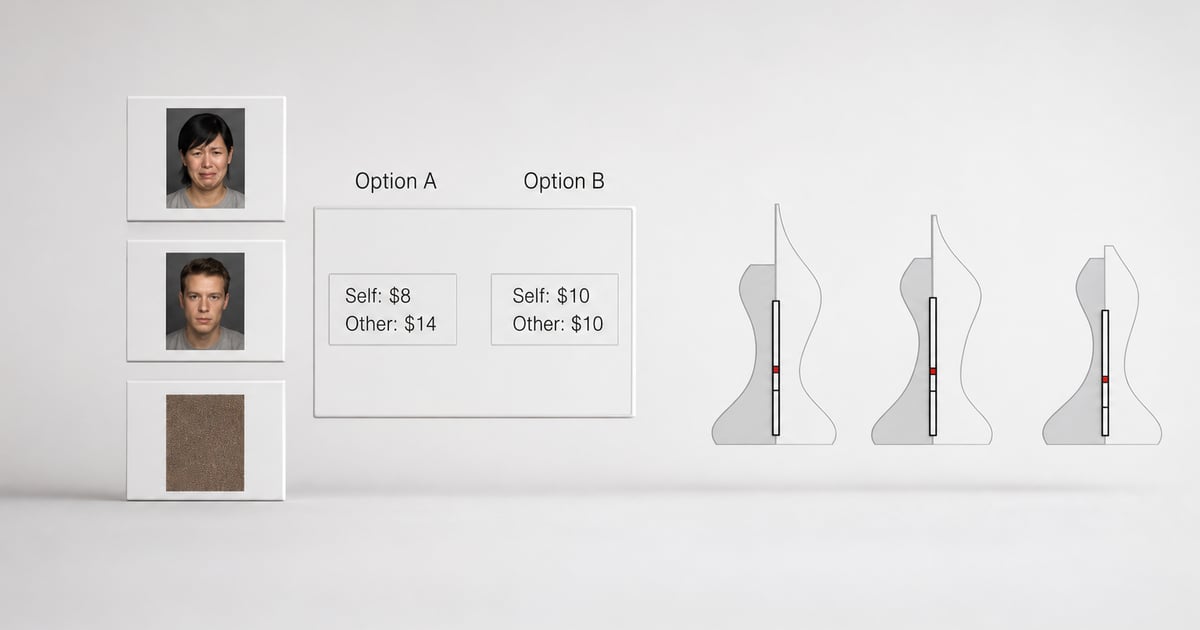
Ever noticed how, in a social situation, certain thoughts just pop into your head almost automatically? According to a study published in the journal *Nature* (Neuroscience: nature.com subject feeds, 2026), our spontaneous thought patterns are like a mirror for our generosity and sense of justice. They’re more than just reflexes—they reveal what’s inside you, often before you even make a decision. Let’s dive into what science is discovering about these fascinating mechanisms, and how they shape your daily life.
Our Mental Patterns: Reflections of Our Social Values
Your thoughts aren’t just automatic reactions. The study shows they carry traces of your values: generosity, fairness, willingness to share… What you think first when faced with injustice or a chance to help someone already hints at your inner compass. Researchers found these mental patterns form over time, shaped by your experiences, environment, and even your current mood. - **Generosity and spontaneity:** It’s not just what you do that matters, but also what you think first. - **Justice and fairness:** Some people’s reflexes lean more toward fairness, others toward helping or protecting.
How Social Context Shapes Your Mental Reflexes
Why don’t you always react the same way in every situation? The study highlights that social context—family, friends, colleagues—influences how your thought patterns show up. When someone close to you is struggling, your instinct to help might kick in faster than it would with a stranger. - **At home:** You might be more generous, driven by affection and trust. - **At work:** Unwritten rules and company culture might push you toward fairness or caution. - **With friends:** Humor, shared history, and connection shape your reactions. This context constantly colors your spontaneous thoughts, ma
What Your Brain Really Says About You
Researchers observed that our spontaneous thoughts aren’t innate or unchangeable. They’re built up in layers throughout life. Your personal history, beliefs, role models, and even your current emotions all act as filters shaping your “first reflex” in social situations. For example: - Someone raised in an environment that values helping others will more easily have generous spontaneous thoughts. - If you’re going through a stressful time, your thoughts might become more self-focused as a protective reflex. This process is anything but fixed—it evolves with time, new people, and what you lear
Concrete Examples of Revealing Thoughts
To get a better idea, imagine a few everyday situations: - **You see someone struggling in the street.** Do you think about helping first, or does your mind look for a reason not to get involved? - **In a meeting, a colleague doesn’t get the recognition she deserves.** Do you instantly sense injustice or stay neutral? - **A friend tells you about money troubles.** Is your first thought to offer help, or do you keep your distance? These mental “first reflexes,” often silent, already show how you approach justice and generosity—before you even act.
What Science Says: A Framework for Our Social Choices
The study in *Nature* is based on real-life and lab observations. Researchers analyzed volunteers’ thought patterns in different contexts to see how mental reflexes varied by situation and person. They concluded: - Our thought patterns are reliable markers of our values, even more than isolated actions. - Context strongly shapes these reflexes, highlighting the role of our social environment. - There’s plasticity: your thoughts change with time and experience. But heads up: these results don’t let you “read minds” or judge someone by a single reflex. Instead, they open a door to understandin
Evolving: How to Work on Your Thought Patterns
The good news is, nothing’s set in stone. Your thought patterns can change, as long as you become aware of them and observe without judging. Here are a few tips to get started: - **Take time to notice your spontaneous thoughts** in different social situations, without judging yourself. - **Expose yourself to other points of view:** reading, discussions, or podcasts can open you up to new mental reflexes. - **Practice self-questioning:** ask yourself why you react a certain way, and what it reveals about your story or current mood. - **Be patient:** changing a mental pattern takes time, but ev
How Lunaia Can Help You Understand Your Thought Patterns
At Lunaia, we believe the first step toward more generosity and justice for others is paying attention to your own thoughts. The app offers different tools to support you: - **Daily check-in:** note your mood and spot recurring reflexes. - **Breathing exercises:** to calm emotions that might trigger automatic reactions. - **Guided meditations:** to learn to observe your thoughts without judgment and grow kindness, for yourself and others. By helping you step back from your mental patterns, Lunaia invites you to explore, little by little, the path to more conscious generosity and justice. To
Could Your Thought Patterns Reveal Your Generosity? Here’s What Science Says · Blog Lunaia