Could Your Pupils Reveal Your Memory? What Neuroscience Says
Your eyes might predict your memory before you even say a word. Discover how your pupil size reveals your inner state.
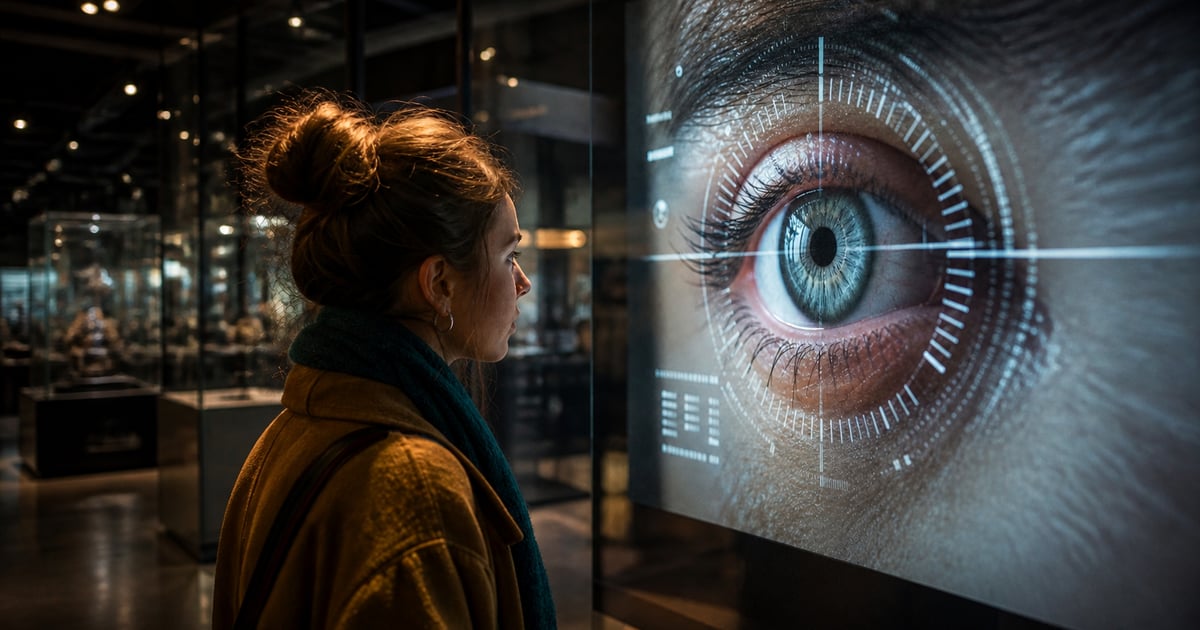
Introduction: Are Your Eyes the Mirror of Your Memory?
Have you ever felt unable to focus or forgotten something right after hearing it? What if the answer was... in your eyes? According to a recent study published in Scientific Reports (Nature), your pupil size could reveal your ability to remember information—even before you speak. Forget complicated tests and electrodes: your gaze already says a lot about your brain. Dive with me into this fascinating link between physiology, memory, and mental well-being.
The Context: Why Memory Fascinates Science
Memory is at the heart of our daily lives: learning, remembering, recalling appointments or names... It shapes our identity and well-being. But understanding how it works remains a challenge for science. Neuroscientists have spent decades searching for ways to measure, predict, and even improve memory. Usually, this requires complex tools like brain imaging or intracranial EEG (iEEG). But what if there was a much simpler indicator, accessible to everyone, no lab needed?
What Science Says: Pupils and Memory, an Unexpected Connection
The study published on nature.com subject feeds (Scientific Reports) was a turning point. Researchers asked participants to take a memory test while measuring their pupil size. At the same time, they recorded brain activity using electrodes (iEEG), a cutting-edge method to analyze what's happening in the brain. The result? Pupil size predicted memory test success almost as well as complex brain signals. In other words, your eyes pick up and reflect mental effort and attention—even before you're aware of your own focus.
How It Works: The Mechanism Behind the Pupil
The pupil isn't just a "hole" in the center of your eye. Its size changes with light, but also with your inner state. When you focus, learn, or feel strong emotions, your brain activates the autonomic nervous system, which adjusts pupil size. - **Mental effort**: The more you concentrate, the more your pupils may dilate. - **Sustained attention**: A spike in attention often causes temporary dilation. - **Emotions**: Stress, surprise, or interest can also enlarge your pupils. In short, the pupil acts as a barometer of your cognitive and emotional activity.
Important Nuances: What Your Pupils Don't Say
Heads up: your pupil size isn't an absolute verdict on your memory or intelligence. Many factors can influence it: - **Ambient light**: A dark room naturally dilates the pupil. - **Fatigue**: Lack of sleep can change pupil reactivity. - **Medications, caffeine**: Some substances have a direct effect. - **Stress or anxiety**: Can distort the signal, unrelated to memory. So, it's just one clue among many. Watching your pupils can help you become aware of your inner state, but it doesn't replace a medical diagnosis or a standardized memory test.
Real-Life Examples: When Your Eyes Speak...
Have you noticed your eyes sting or you struggle to focus during a meeting or while learning? - **Difficulty focusing**: Contracted or dilated pupils, a sign of fatigue or stress. - **Feeling overwhelmed**: Burning eyes, heavy eyelids, waning attention. - **Flow moments**: Sometimes you're so absorbed you forget your surroundings—your pupils follow, reflecting your mental engagement. Taking time to observe yourself, without judgment, can help you better understand your own cycles of focus and memory.
What You Can Take Away: Listen to Your Body's Signals
The real lesson here isn't to scrutinize your eyes, but to learn to listen to your body. Your sensations (tired eyes, trouble focusing, need to blink) are precious indicators of your current mental state. - **Take regular breaks** when your vision gets blurry. - **Breathe deeply** to release tension and regain mental clarity. - **Note your feelings**: a simple check-in can help you put words to what you're experiencing. Becoming aware of these signals is already taking care of your memory and well-being.
How Lunaia Can Help You Tune Into Your Inner Signals
At Lunaia, our mission is to help you reconnect with your sensations and mental well-being. With tools like emotional check-ins, breathing exercises, and guided meditation, you can learn to better observe and understand your body's signals—including eye fatigue or loss of focus. Discover how to integrate these practices into your daily life at [https://lunaia.me](https://lunaia.me). You'll find resources to support you, without judgment and at your own pace, to take care of your memory... and your mind.
Sources and Thanks
This article is based on the study "Pupil size as an early and accessible biomarker of memory performance: a comparative intracranial EEG study," published in Scientific Reports (Nature), and covered by Neuroscience: nature.com subject feeds. Neuroscience is evolving fast, and every discovery reminds us how closely body and mind are linked. Keep learning, noticing your sensations, and taking care of yourself—it's that simple.
Could Your Pupils Reveal Your Memory? What Neuroscience Says · Blog Lunaia