Can You Really Track Your Progress After a Stroke? What the WMFT Test Reveals
Can you actually follow your progress after a stroke with a test? Discover what science says, the limits, and how to keep believing in your recovery.
Introduction: Can You Really Measure Your Progress After a Stroke?
After a stroke, every regained movement is a win. But how do you know if you're really moving forward? Doctors use tests to assess recovery of the arm or hand, but behind the numbers, there's a much more nuanced reality. Recently, a Spanish team validated the Spanish version of the Wolf Motor Function Test (WMFT), a well-known tool for measuring upper limb function. What does this test reveal about your progress? Can it really tell your whole story? Dive into this caring and scientific analysis to help you better understand where you stand and how to move forward, without forgetting the most i
Why Measure Arm Recovery After a Stroke?
A stroke can turn daily life upside down by limiting arm or hand mobility. Measuring progress isn't just about numbers: it's also a way to stay motivated, adjust rehab, and celebrate every little win. - **Track your evolution**: Tests help make changes from one session to the next more objective. - **Adapt rehab**: Professionals adjust exercises based on your results. - **Boost your morale**: Seeing your progress helps you keep faith, even when the road feels long. But remember: everyone moves at their own pace, and the test should be a tool, not a sentence.
The Wolf Motor Function Test (WMFT): A Reference Tool
The Wolf Motor Function Test, or WMFT, is a clinical test used in many countries to assess how you use your arm in daily life after a stroke. It's not just about measuring strength or speed, but about seeing how you perform real-life tasks: grabbing a can, stacking objects, moving your hand from one point to another. The WMFT consists of several timed tasks, rated by movement quality. It gives an overall picture, but also pinpoints which movements are the hardest. Thanks to its validation in different languages, including Spanish recently, it's being used more and more in Europe to support re
What Science Says: Results From the Spanish Study
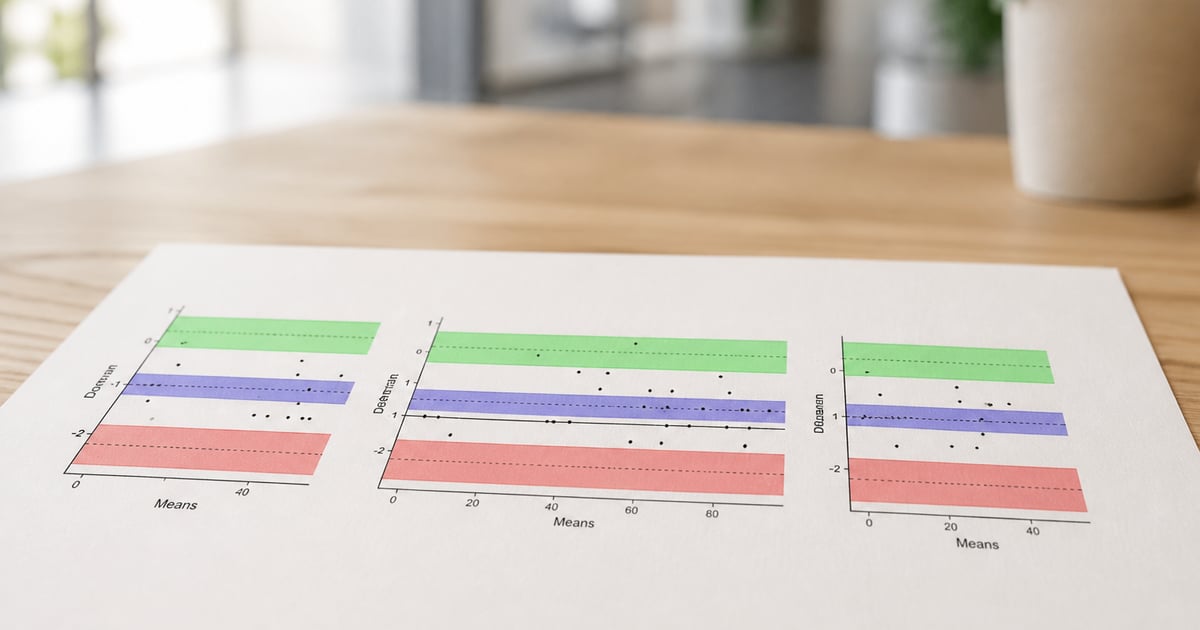
In a study published in *Scientific Reports* and shared by Neuroscience: nature.com subject feeds, Spanish researchers validated the Spanish version of the WMFT with adults who had a stroke. Their results show that this tool is reliable for distinguishing a stroke-affected arm from a healthy one. The scores are consistent, and the test helps track progress over weeks or months. But the study also points out a limit: for one specific task, the WMFT loses clarity. This is a reminder that no tool is perfect. Since stroke recovery is very individual, some movements are hard to assess precisely. T
The Limits of the WMFT: Why Some Movements Escape Measurement
Even with a scientifically validated tool, not everything can be measured. The WMFT is great for capturing overall progress, but some subtleties slip through: - **Individual variability**: Everyone recovers differently, depending on age, stroke location, motivation, and environment. - **Complex movements**: Some daily actions are impossible to standardize in a test. - **Emotional factors**: Stress, fatigue, or fear of failure can affect your results. The WMFT gives a snapshot, but it doesn't tell the whole story. How you feel, your sensations, and your medical team's opinion are still essent
How to Interpret the Results: Tips for Moving Forward With Confidence
When faced with numbers, it's easy to get discouraged if progress seems slow. Here are some tips to keep your confidence up: - **See the test as a guide, not a judge**: The results are there to help you move forward, not to define you. - **Celebrate every win**: Even a small gain is a victory on your recovery journey. - **Share how you feel**: Talk to your healthcare professional about what you're experiencing, beyond the numbers. - **Be an active part of your progress**: Ask questions about the tools used, try to understand the results, stay curious. The most important thing is to keep beli
How Lunaia Can Help You Get Through Rehab
Rehabilitation after a stroke isn't just about the body, but also the mind. The Lunaia app supports your mental well-being throughout this challenging journey. With tools like emotional check-ins, guided meditation, and breathing exercises, you can take care of your mood, manage stress, and celebrate every bit of progress. Find more resources and wellness tips at [https://lunaia.me](https://lunaia.me). Take time to listen to yourself, note your feelings, and value your experience, because recovery is also an inner adventure.
Can You Really Track Your Progress After a Stroke? What the WMFT Test Reveals · Blog Lunaia