Can an Algorithm Detect Autism? Exploring the Science of Movement
Researchers are using advanced math to analyze movements and detect autism. Discover how technology and science are teaming up to bring objectivity to diagnosis.
Introduction: What if an Algorithm Could Spot Autism?
Ever wondered if technology could really outdo the human eye when it comes to mental health? Today, the line between sci-fi and reality is getting blurry. Researchers have just hit a new milestone: they've developed an algorithm that can analyze your movements to detect signs of autism. Nope, this isn't a futuristic scenario — it's a scientific breakthrough published in the prestigious journal **Scientific Reports** (source: Neuroscience, nature.com subject feeds). But how does it work? And more importantly, what does it actually change for you? Dive in with me to this fascinating topic where
The Context: Why Analyze Movements in Autism?
Autism, or autism spectrum disorder (ASD), often shows up through repetitive or stereotyped motor behaviors. These gestures — rocking, hand-flapping, finger movements — have been observed by professionals for a long time. But the analysis is still subjective: every specialist has their own perspective, their own biases, and their mood can influence what they see. The result? A diagnosis that sometimes lacks objectivity, even though it deeply affects the person's life. That's why a more reliable method, based on measurable data, is so valuable — it brings a fresh perspective and complements hum
Persistent Homology: The Mathematical Magic Behind the Algorithm
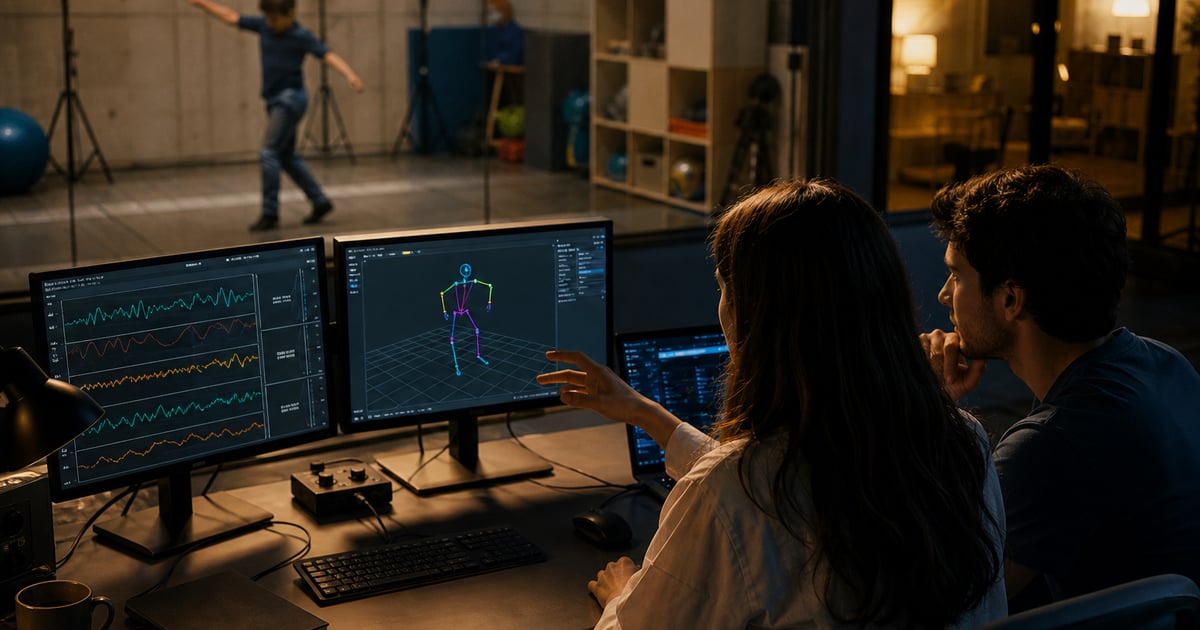
Behind this new tool is a mathematical method with a pretty wild name: **persistent homology**. What's that? Imagine a detector for hidden patterns in your movements, able to spot structures invisible to the naked eye. This topological analysis technique turns a sequence of gestures, captured by video or sensors, into usable data. The algorithm identifies and quantifies repetitions, patterns, and their intensity, without ever getting tired or distracted. The result: a sharp, standardized analysis that gives everyone a common ground, wherever you are in the world.
How Does It Actually Work?
The process starts with recording **videos** or data from **motion sensors**. Then, the algorithm takes over: it segments the sequence, extracts the relevant info, and applies persistent homology to detect the stereotyped movements typical of autism. What makes this method powerful: - **Total objectivity**: the software analyzes exactly what it sees, no judgment or interpretation. - **Robustness**: no influence from stress, tiredness, or an off day. - **Precision**: it can spot micro-movements even an expert eye might miss. The goal isn’t to replace healthcare professionals, but to offer a r
The Benefits: A Revolution for Diagnostic Objectivity
Before, everything relied on human observation — and therefore, subjectivity. With these algorithms, we move to **fact-based analysis**: - **Less bias**: the algorithm isn’t swayed by looks, mood, or context. - **Comparability**: results are standardized, making it possible to compare profiles or track changes over time. - **Accessibility**: in the future, this tech could make first assessments easier, especially in areas lacking specialists. It’s also a step toward better understanding the diversity of autistic experiences, beyond the usual stereotypes.
What Science Says: Nuances and Limits to Know
The publication in **Scientific Reports** (Neuroscience: nature.com subject feeds, 2026) celebrates this progress, but also points out its limits: - **The algorithm isn’t an oracle**: it doesn’t give a final diagnosis. It spots patterns, but a professional still interprets them. - **Context matters**: some movements can be influenced by stress, environment, or other factors unrelated to autism. - **Need for broader validation**: the study is observational; more research is needed to make sure the method works for diverse groups. In short, science is moving forward, but stays humble: tech does
Real-Life Examples: How Could This Affect Your Daily Life?
Imagine: you’re wondering about some of your motor behaviors, or you’re supporting someone who is. With this technology, you could get an objective analysis that doesn’t just depend on a single appointment or someone’s impression. Some possible uses: - **Tracking progress**: see if your gestures change over time, for example after trying a new wellness routine. - **Second opinion**: bring extra data to a professional consultation. - **Less anxiety**: knowing the assessment doesn’t depend on a bad day or a misunderstanding. It’s a step toward a more personalized, caring, and guilt-free approa
How Lunaia Can Help You Know Yourself Better
At Lunaia, we believe that self-knowledge also comes from tuning into your feelings every day. Even though the algorithm we just talked about isn’t part of the app, Lunaia helps you track your mental well-being with **regular check-ins**, **breathing exercises**, and **guided meditation sessions**. Want to step back and reflect on your sensations, emotions, or behaviors? The app gives you a personal, confidential space to observe your progress and spot when you’re feeling better or not so great. Discover everything Lunaia can offer you at https://lunaia.me.
Can an Algorithm Detect Autism? Exploring the Science of Movement · Blog Lunaia