Brazilian Wild Boars: When Nature Becomes a Hotspot for Superbugs
In Brazil, over half of wild boars carry antibiotic-resistant bacteria. Find out why this could shake up how we think about global health.
Introduction: Wild Boars, Bacteria, and Us
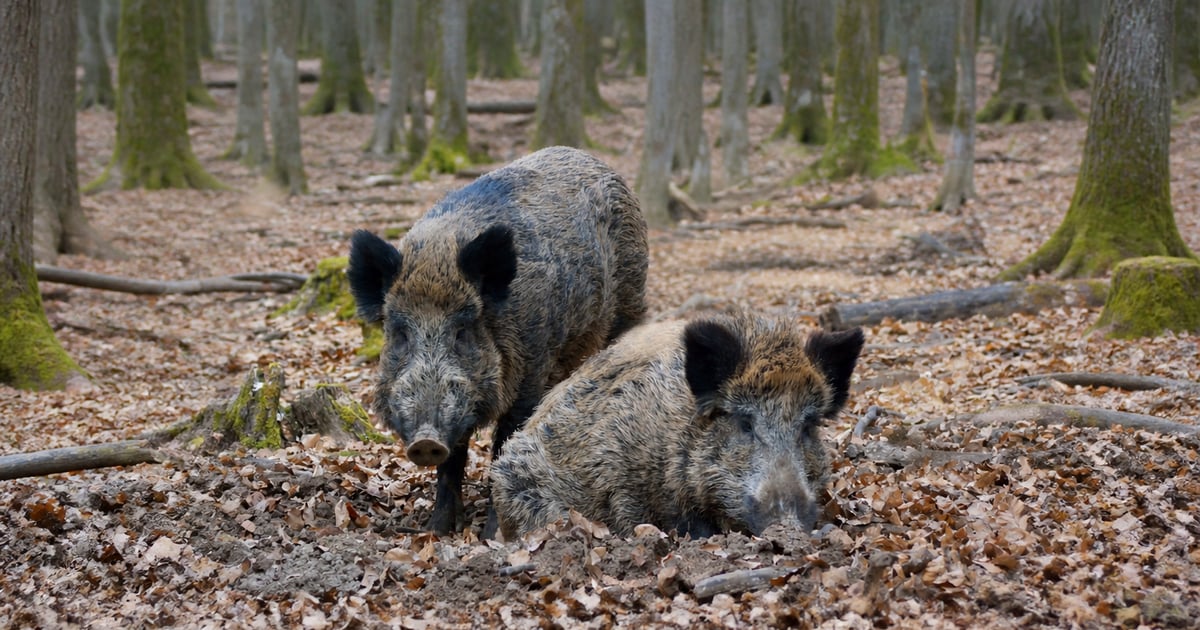
You might picture wild boars as just forest dwellers in Brazil, far from your daily worries. But these wild animals now play a surprising role in spreading antibiotic-resistant bacteria. This reality, revealed by a study shared on ScienceAlert, challenges how we see nature, health, and the fragile balance between humans, animals, and the environment. Dive in with Lunaia to this unusual story, where science, ecology, and public health collide.
Background: Antibiotic Resistance, a Global—and Natural—Challenge
Antibiotic resistance isn’t news anymore: every year, infections that used to be easy to treat become tough because bacteria are getting stronger. But did you know it’s not just about hospitals or factory farms? - Nearly 1.3 million deaths worldwide each year are linked to antibiotic resistance. - Bacteria escape treatments and spread, sometimes outside medical settings. - Wild animals, like boars, are now part of this spread. What’s happening in Brazil shows just how connected human health is to wildlife and the environment.
Wild Boars Carrying Resistant Bacteria: What Studies Show
According to ScienceAlert, over 50% of wild boars tested in Brazil carry bacteria resistant to several antibiotics. For scientists, that’s a striking number: - Boars are omnivores, super mobile, and can travel long distances. - They cross forests, farmland, urban edges, and even inhabited areas. - Their contact with waste, sewage, or domestic animal droppings gives them plenty of chances to pick up—and spread—these bacteria. This uncontrolled movement makes resistance invisible… until it hits us directly.
How Do Boars Become Super-Spreaders?
Their lifestyle explains a lot: - They dig up the ground, eat leftovers, meet other animals, and sometimes wander into cities. - Their movements create bridges between places that normally wouldn’t mix much. - By ingesting or carrying resistant bacteria, they spread them through their droppings, fur, or just by touching the environment. Basically, a contaminated boar can release bacteria into a stream, meadow, or crop field, helping them spread to other animals… and to us.
Why Should This Worry You?
Antibiotic resistance isn’t just some abstract problem: - If bacteria keep spreading and getting stronger, our treatments will work less and less. - Even simple infections could become deadly again or need heavy-duty care. - Wildlife, long ignored in health policies, is now a key link in the transmission chain. This shows that global health (One Health)—connecting humans, animals, and ecosystems—is crucial to prevent future health crises.
What Science Says: Why Monitoring Is Essential
Studies like the one on ScienceAlert highlight the need to: - Monitor wildlife to spot new resistance hotspots. - Understand the complex interactions between domestic animals, wildlife, and humans. - Limit antibiotic use in farming, livestock, and human medicine. Researchers insist: ignoring nature won’t solve the resistance crisis. Instead, we need to include these new players (like boars) in prevention strategies.
What Can We Do to Limit the Spread?
To tackle this challenge, several ideas are on the table: - Step up monitoring of wild animals and the environment. - Make antibiotic use more responsible—especially in farming and livestock. - Raise awareness about global health and everyday actions (avoid self-medicating, dispose of unused meds properly). - Get scientists, vets, farmers, and public health folks working together on coordinated actions. It’s a team effort, and every link in the chain matters.
How Lunaia Can Help You Deal With These Issues
Realizing how human, animal, and environmental health are connected can make you anxious or feel powerless. Lunaia helps you find your inner balance in the face of these challenges: - With the daily check-in, you can share your feelings and spot what’s worrying you. - Breathing and guided meditation exercises help you welcome your emotions and lower stress from the news. - Educational content helps you understand global health and take action, in your own way, to care for yourself… and the world around you. See how Lunaia can support you in a more mindful well-being journey at https://lunaia
Brazilian Wild Boars: When Nature Becomes a Hotspot for Superbugs · Blog Lunaia